Cuckoo Hides in Laois

Photo Hides

CUCKOO - LAOIS
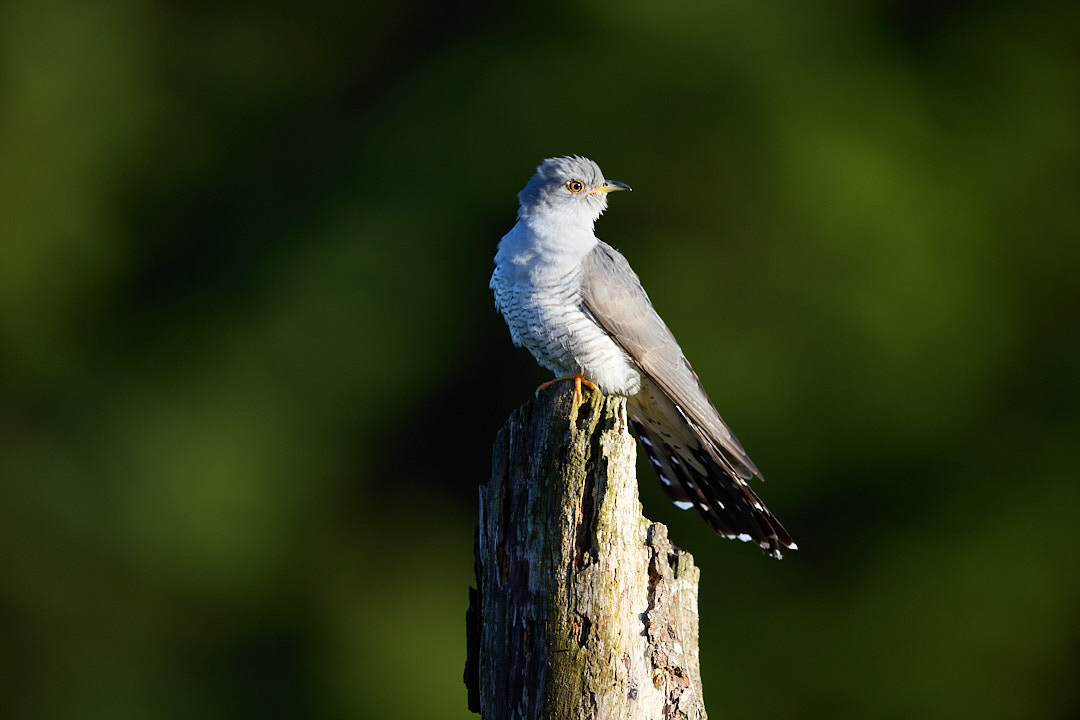
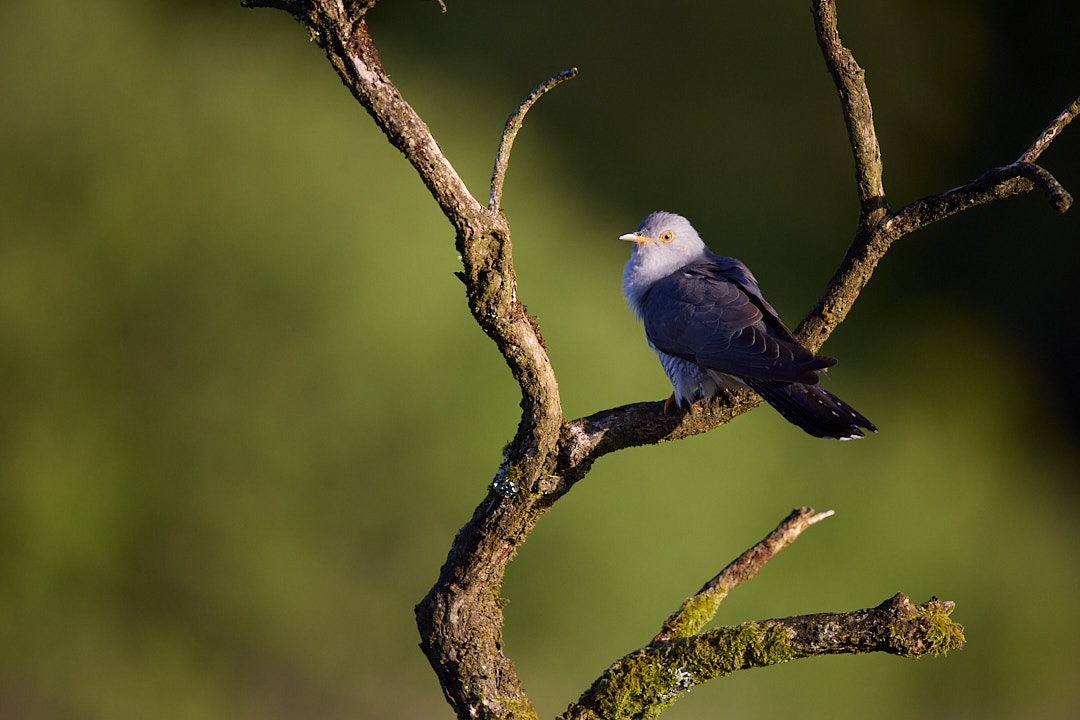
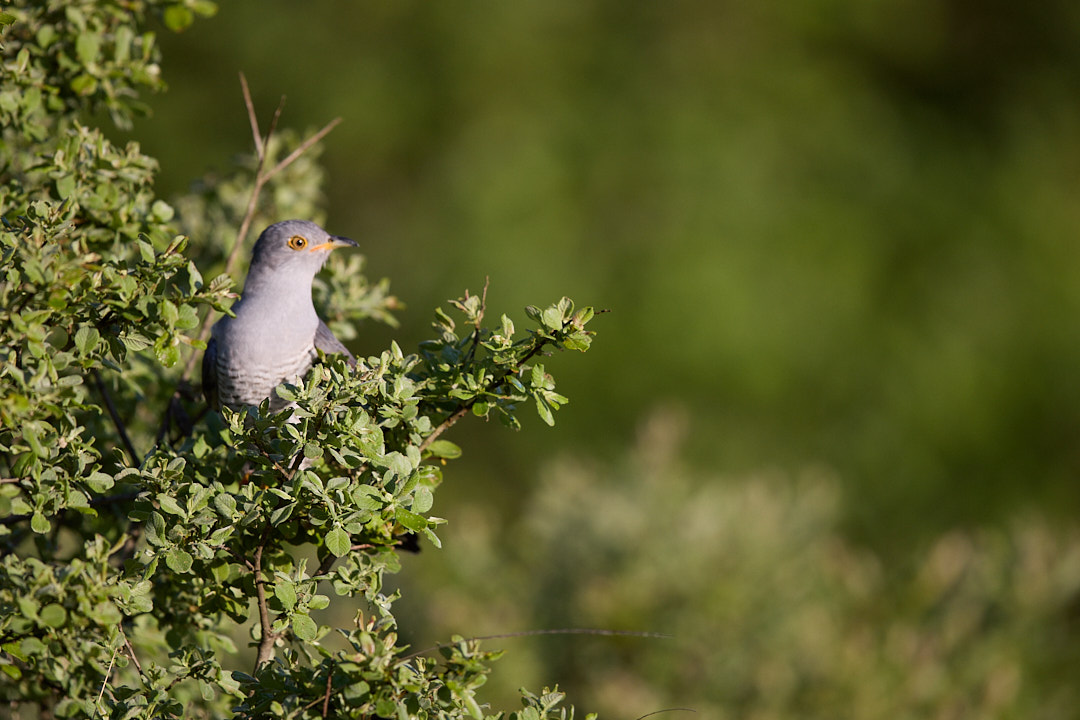
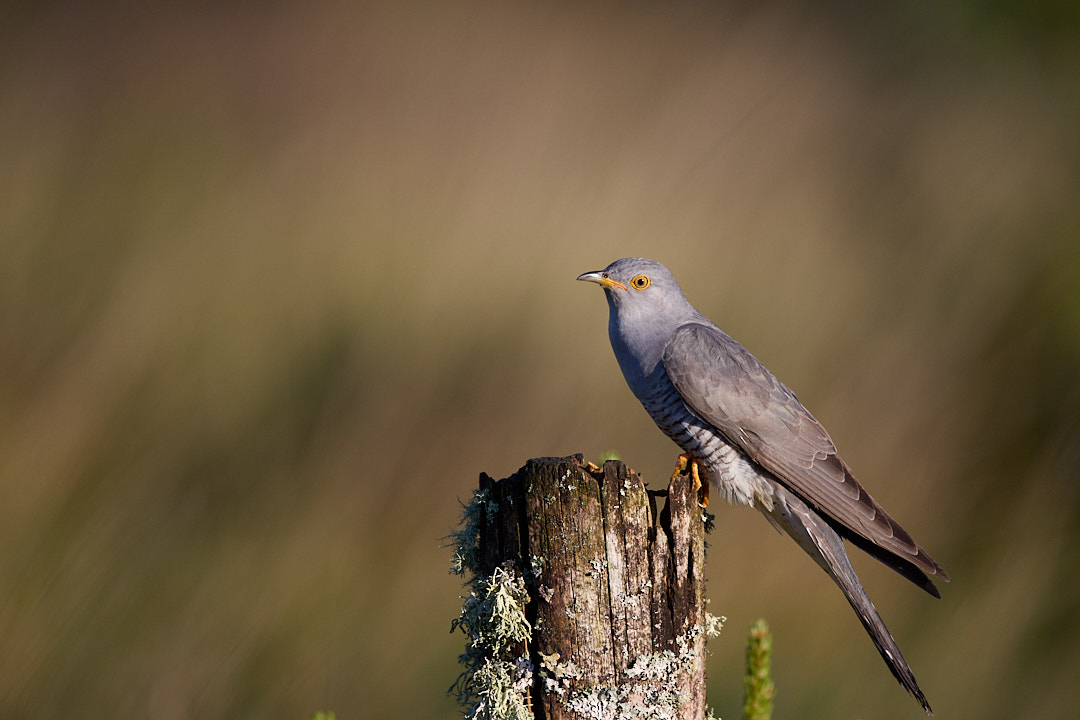
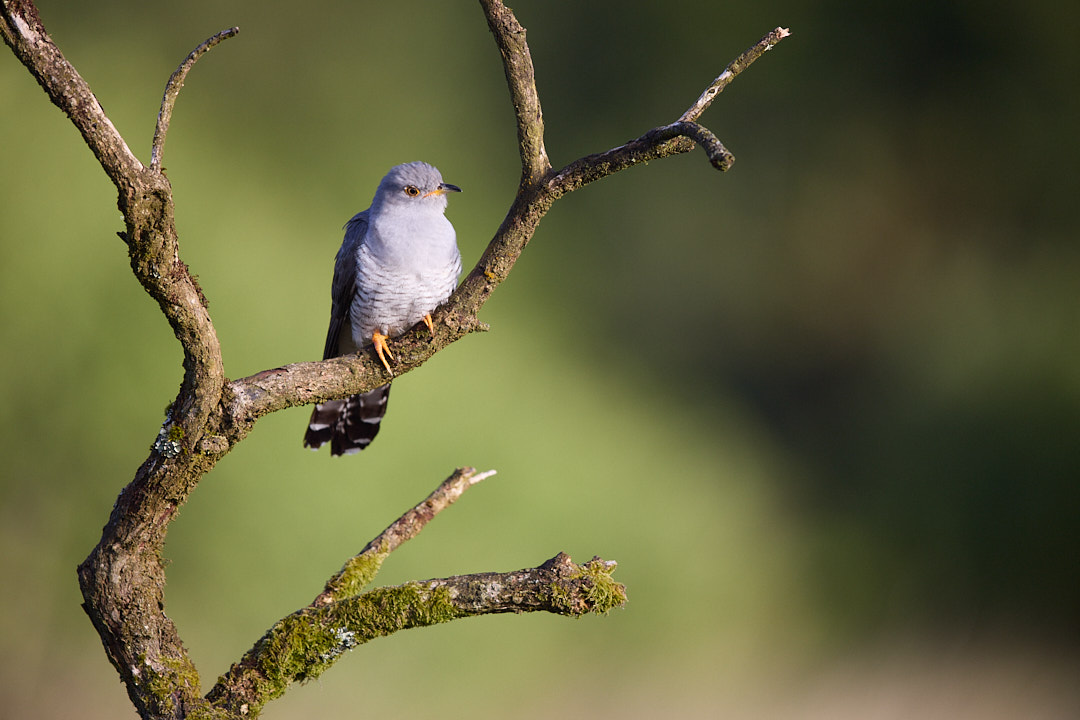
Early morning male cuckoo (Cuculus canorus) taken in Laois, Ireland

Cuckoo morning session

Early one morning at the start of June I decided to go and try to get some photos of the Cuckoo. I reached out to the Irish Photo hides and made a booking for myself to go and try and get some shots of the cuckoo. The setup was the same as last year and overall I got lucky with the weather on the day. I got up at 04:30, leaving home at 05:00 and I arrived on site at 6 30 at the pre-defined location. After meeting with the rest of the group, we jumped into Richard's Jeep and headed down to the hide to walk a couple of hundred meters into the Cuckoo hide. The cuckoo was waiting for us as we arrived and flew off before the mealworm was put out. The morning was nice and bright and sunny and overall we had a good day ahead.

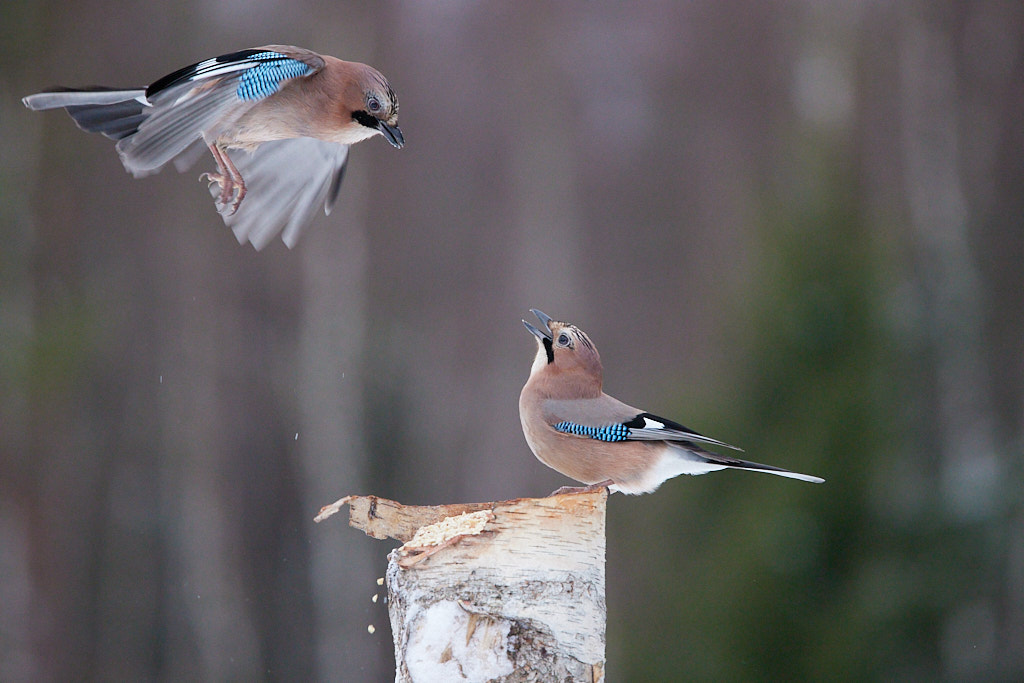
The cuckoo was used to the people and the hides and the lenses moving. Overall, you still need to not make noise or sudden movements within the hide, but generally it was pretty relaxed. There were lots of Jays around and they were running the cuckoo every now and again and stealing all of the food from the perches. There were also swallows about and we even saw some deer on the hill. The cuckoo came in and out a number of times in the next hour and a half and we got some great shots with some nice morning light. Then we packed everything back up around 8.30 and headed back to the cars and decided what to do for the rest of the day. Me personally, I was going to go to the lime kiln hide and see if I could see the buzzard and pine martin. The rest of the group were heading to the Kestrel Hide.

There are gimbal plates in the hides, so there's no need for a tripod, but you can bring one. But just note that space is limited, so either a bean bag, handhold, or just bring a gimbal head and mount your lens depending on the size of it. For myself I was using a 600mm prime lens and it was good but I would say something with a bit more adaptability if you are looking to do in-flight shots or tracking shots so something in the range of 100 to 500 or maybe 200 600 might be a better fit within the hide.
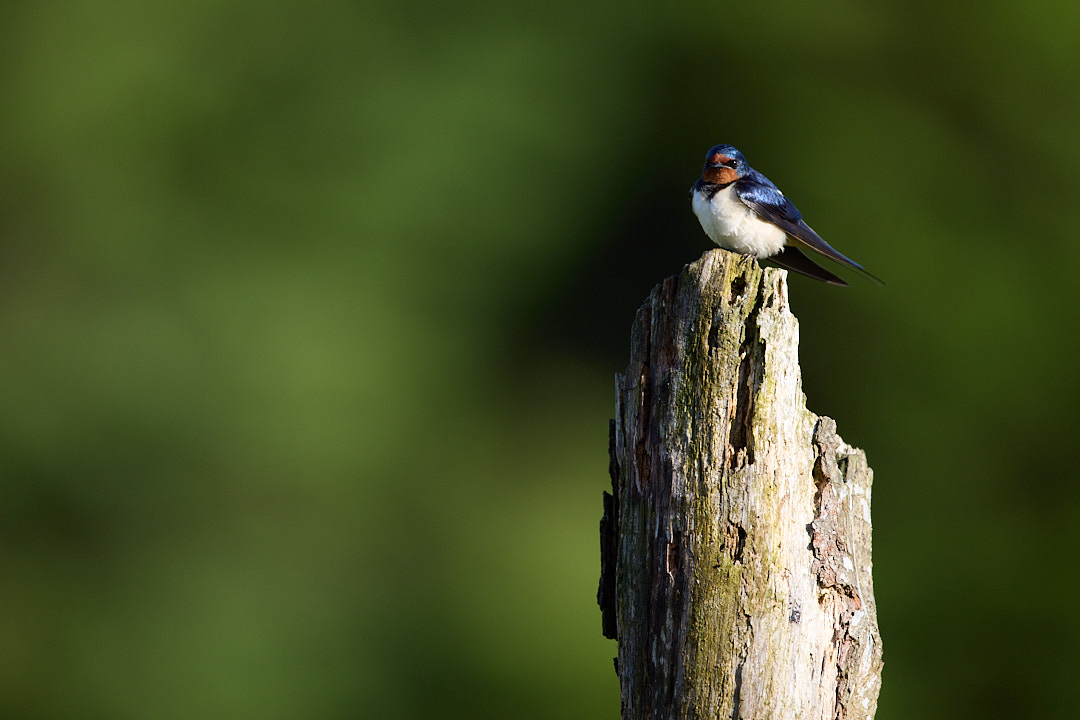
Perched Swallow in early morning light.
Male cuckoo (Cuculus canorus) in early morning light.
Male cuckoo hides in Laois
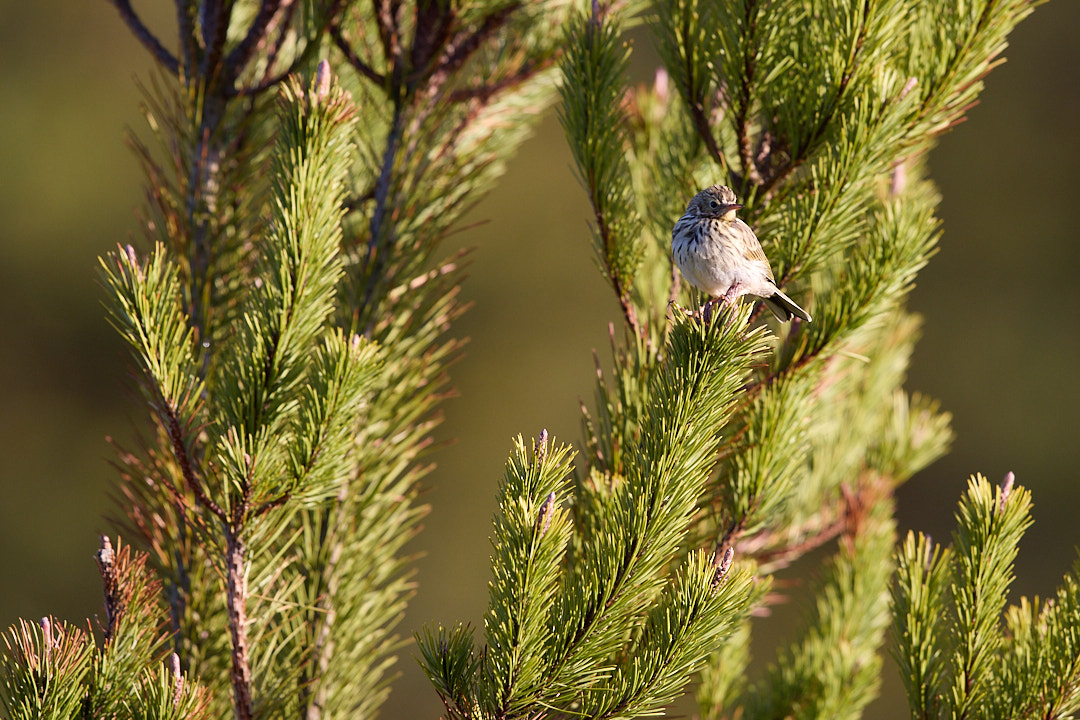
Meadow Pipit (Anthus pratensis) in early morning light

Eagle Owls and Goshawks in Snowy Finland

Finland

EAGLE OWLS & GOSHAWKS

DAY ONE

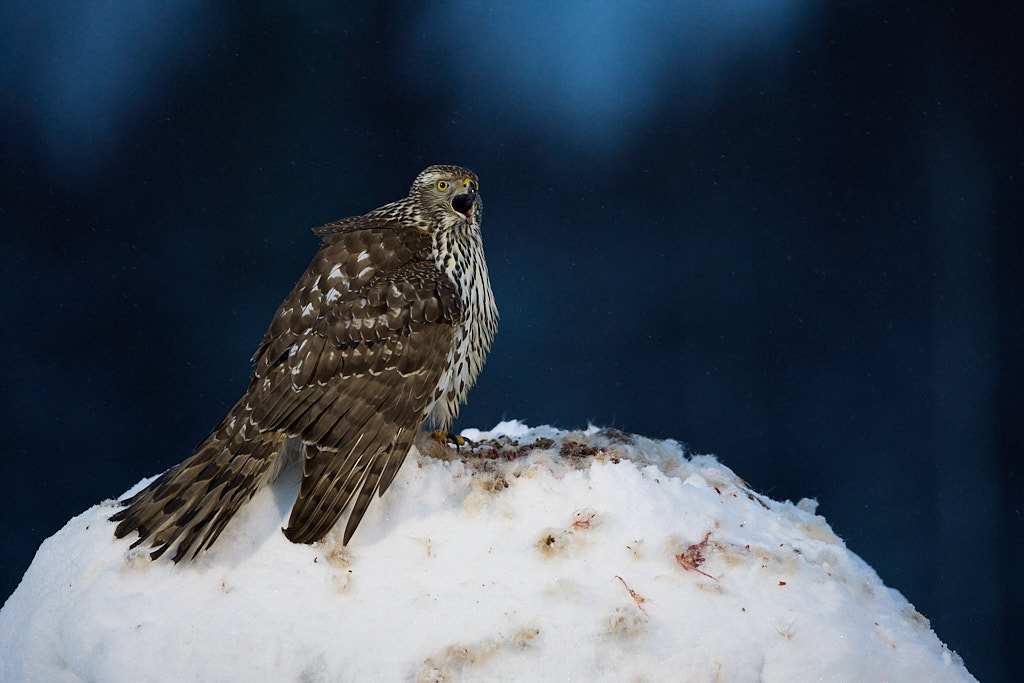
So i was lucky enough to get over to Finland in early 2023 to try get some images of the Northern Goshawk and the Eagle Owls. I went with a company called Finnature - a local based company that has been operating some such tours for the past twenty years now. I paid for two nights in the hides in the hopes of seeing the Goshawk and the Eagle owls. This is what i took away from the visit and the experience.

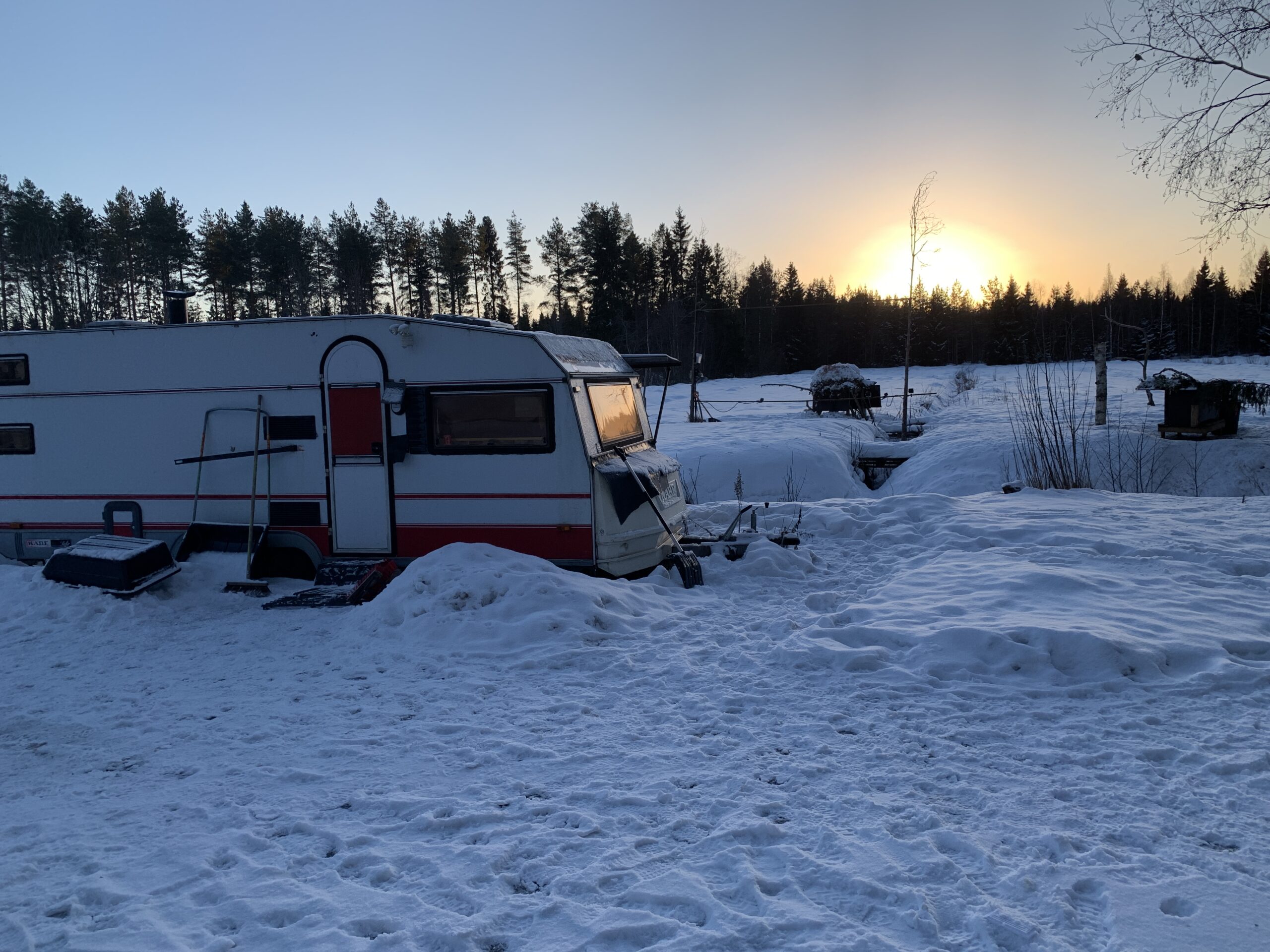
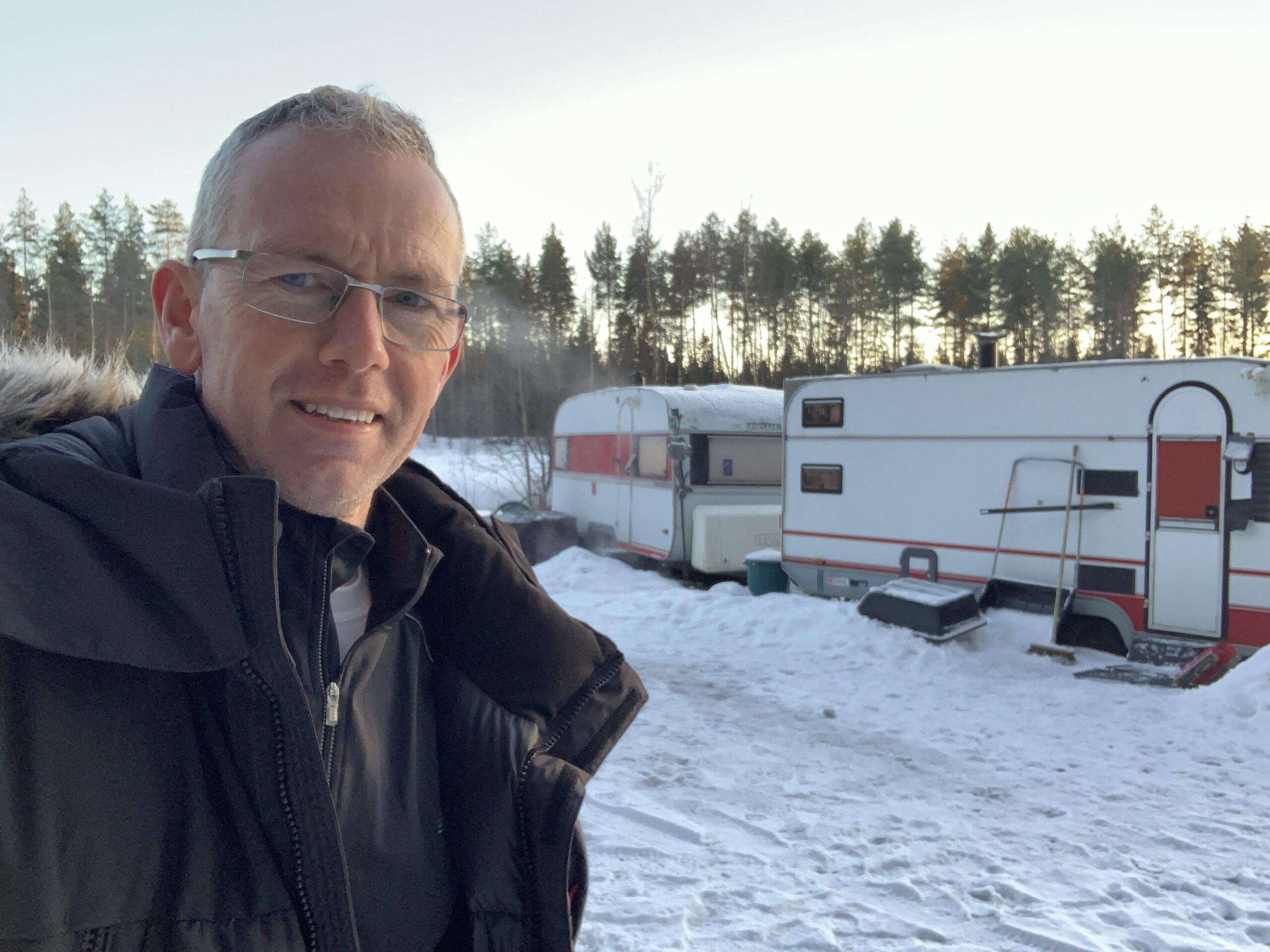
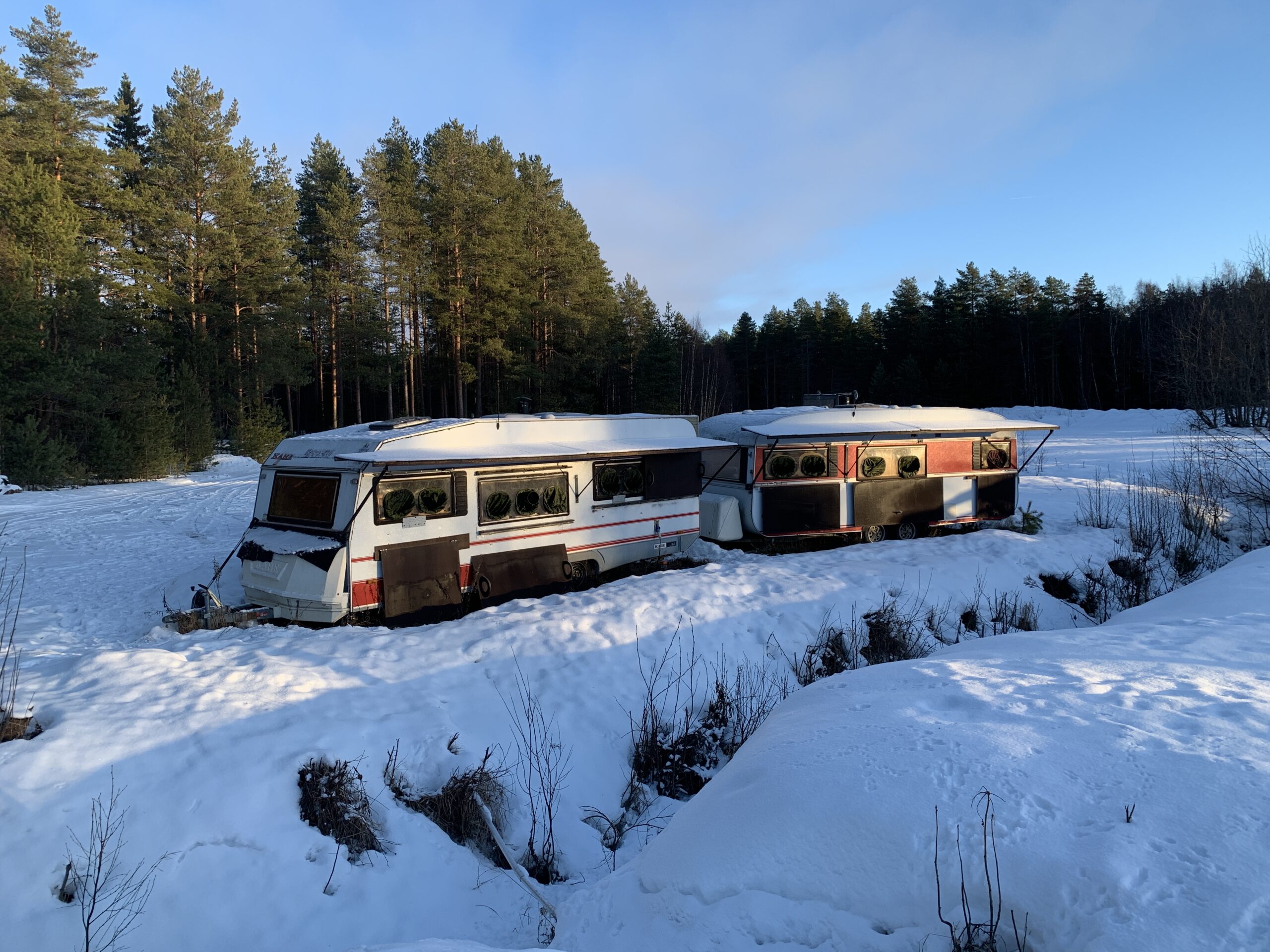
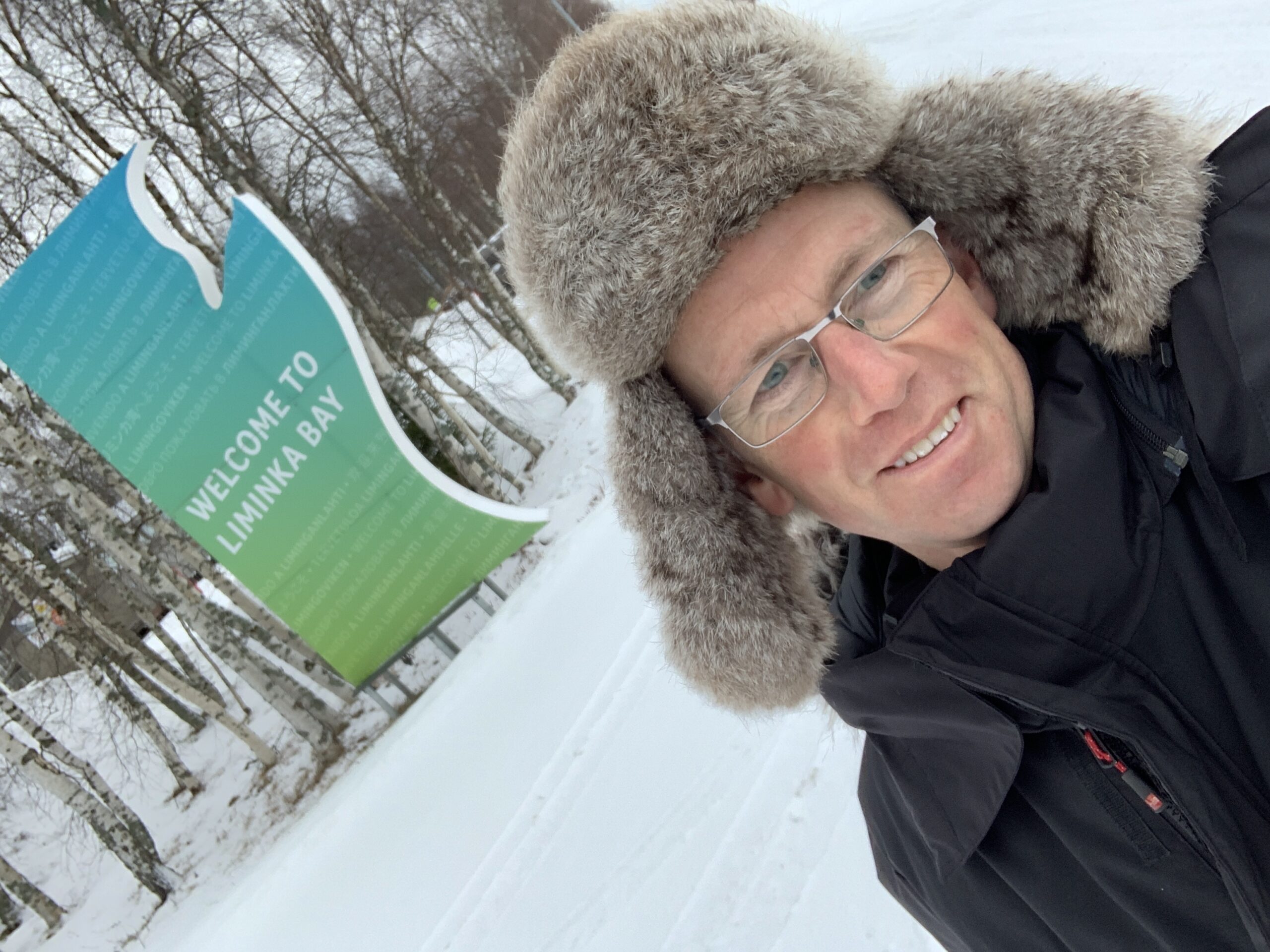
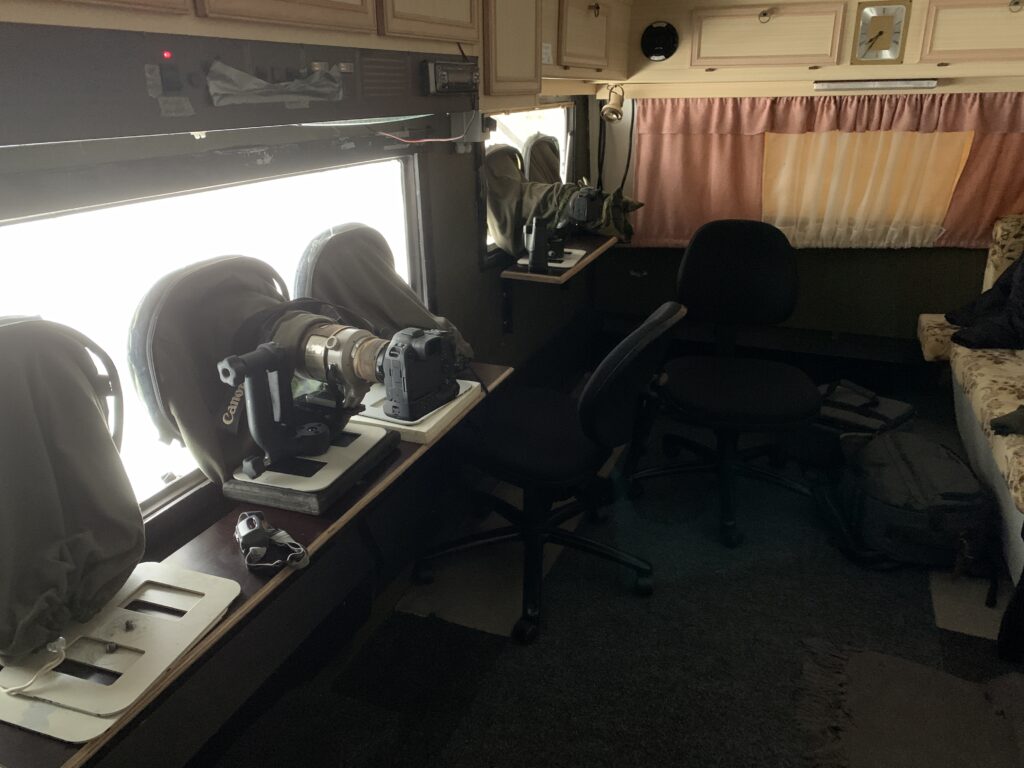
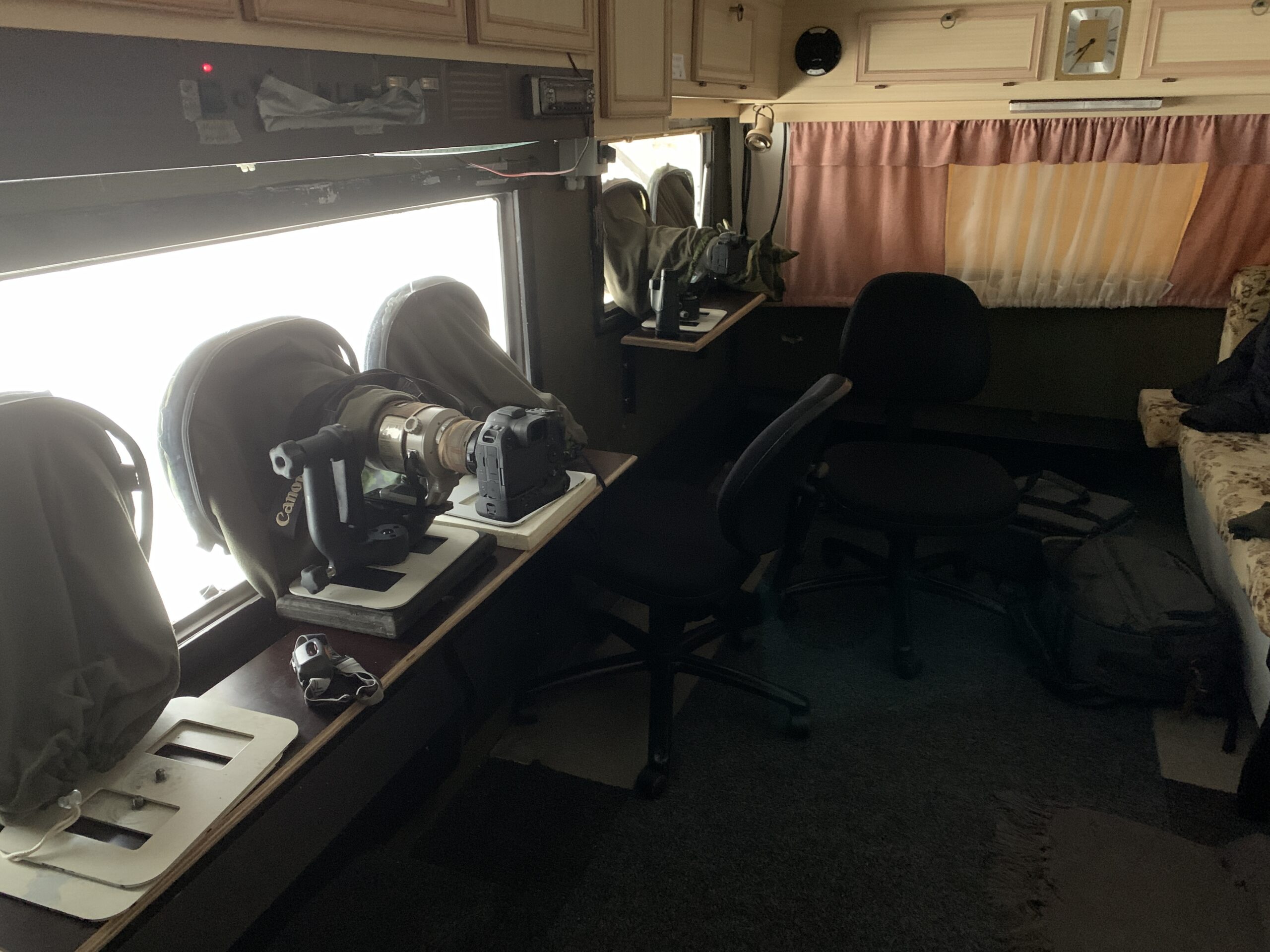
So the day starts around noon with a meeting with your guide - in my case it was Jari from Finnature. I met him at the Visitor Center just outside Liminka. Liminka is about 25 minutes from Oulu and the visitor center is about 6km outside Liminka. We drove 2km back to the hide locations - it is off road a little and if you are planning to head into town the following day for supplies take note of the twists and turns to get there and back again. Everything looks different in the dark compared to driving in in daylight. The hides are converted caravans and they are done really well. I was in one and another photographer was in the other. I setup the R3 with the 500mm in one window with the gimbal head and the R5 with the 100-500 in the other window with the ball head. There is a good field of view with regards to the perch in front of you and to the side areas where the smaller birds will feed.


Camera setup in Liminka eagle owl hides in Finland

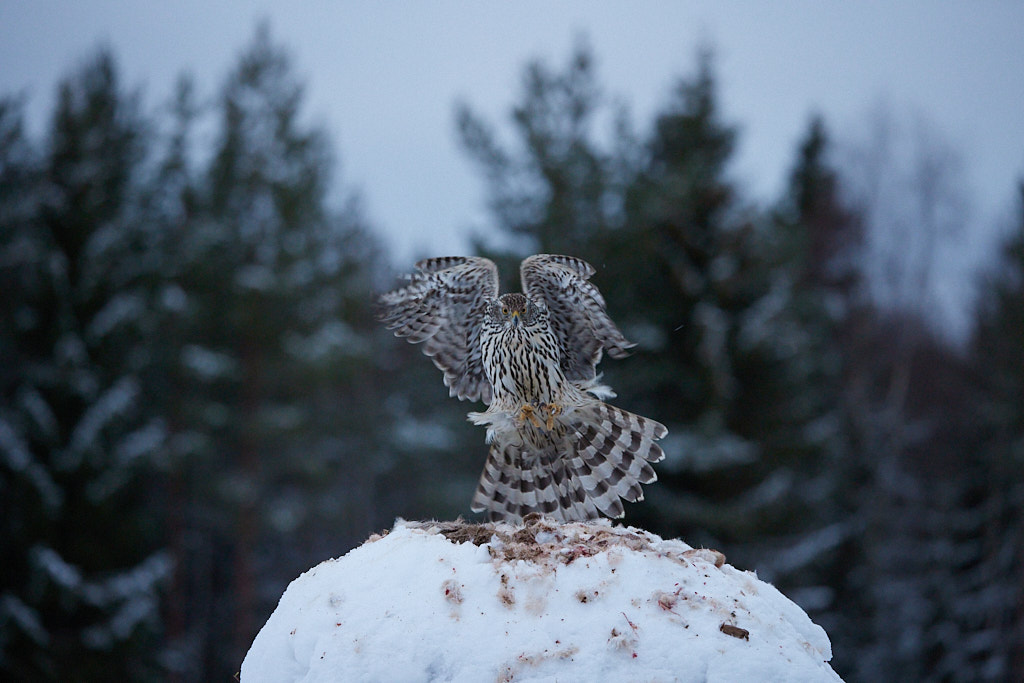
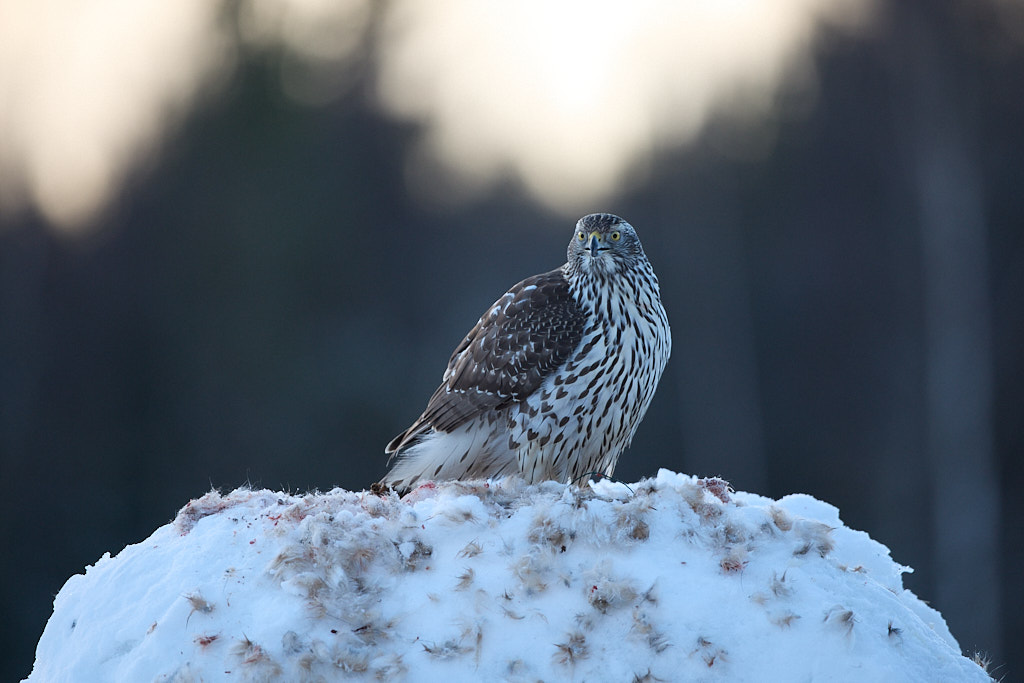
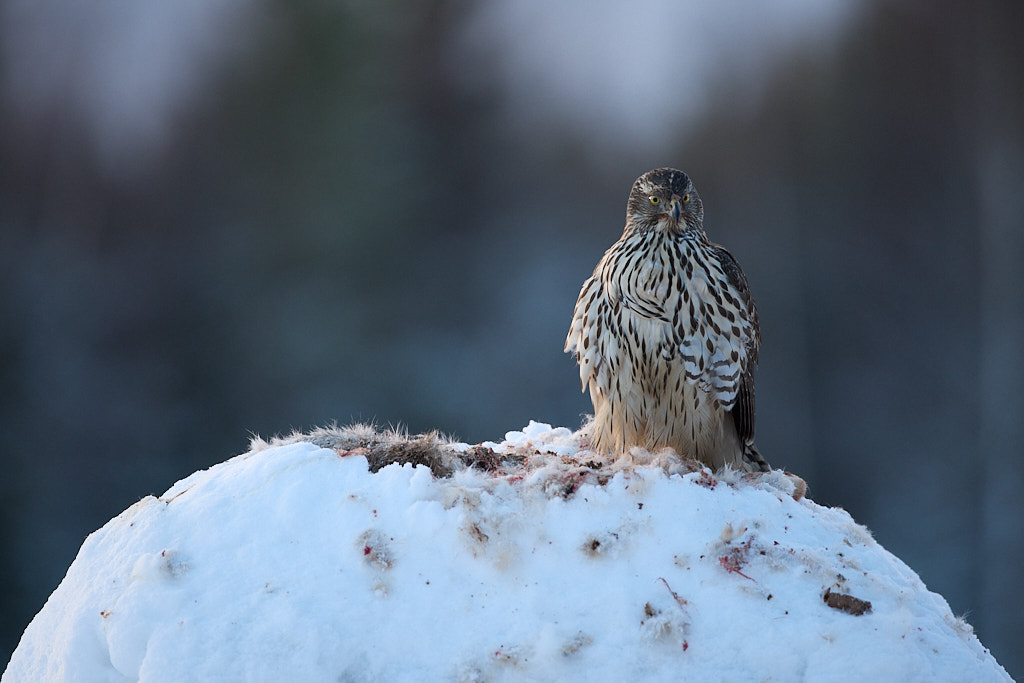
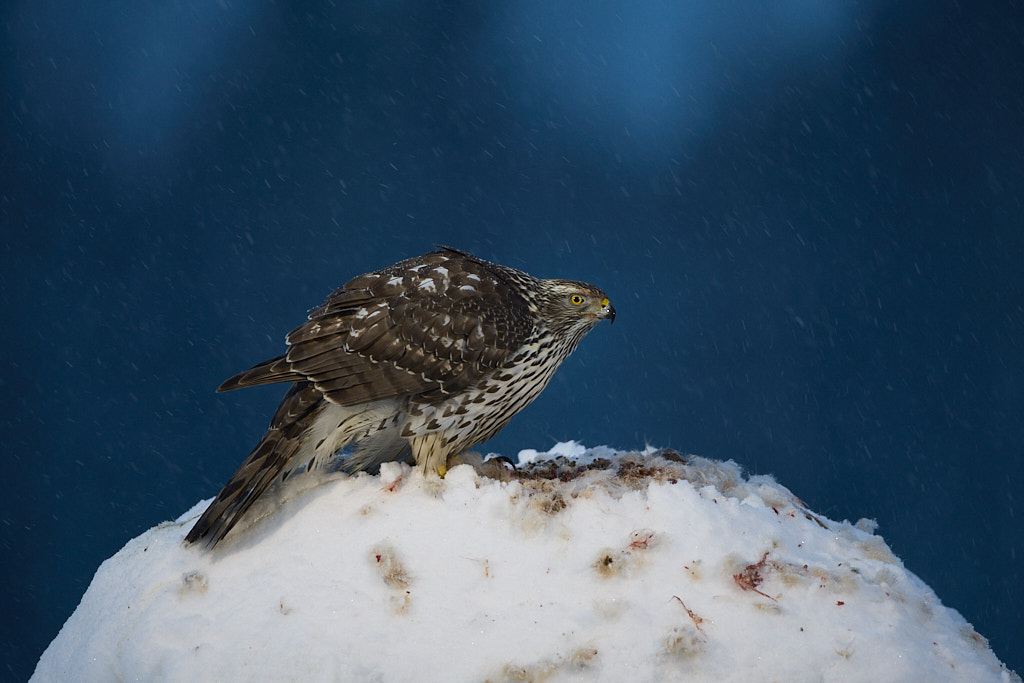
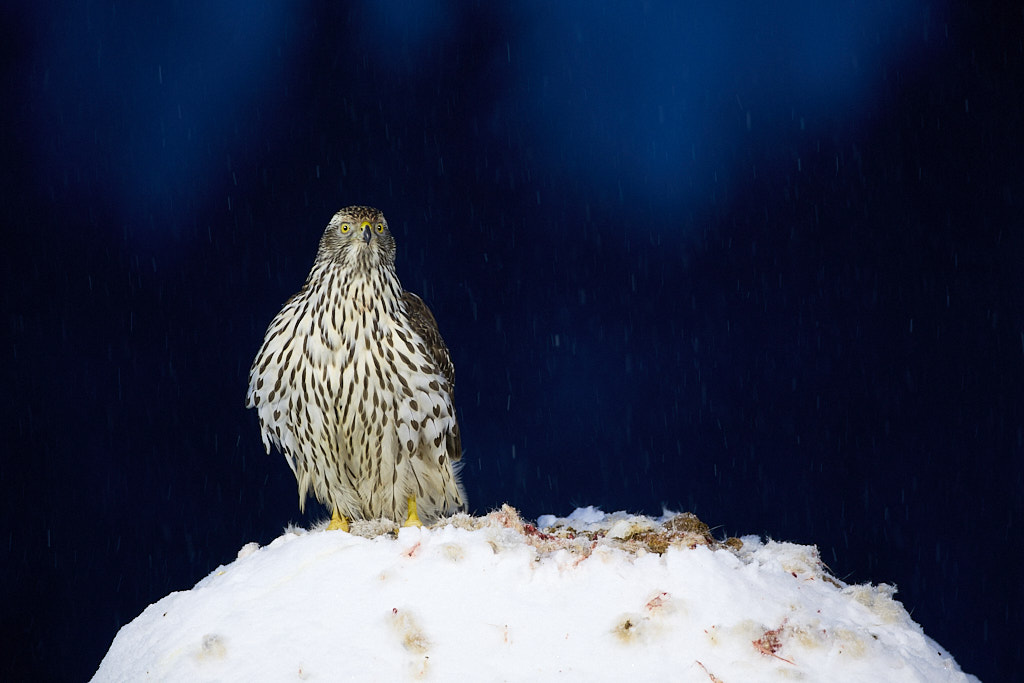
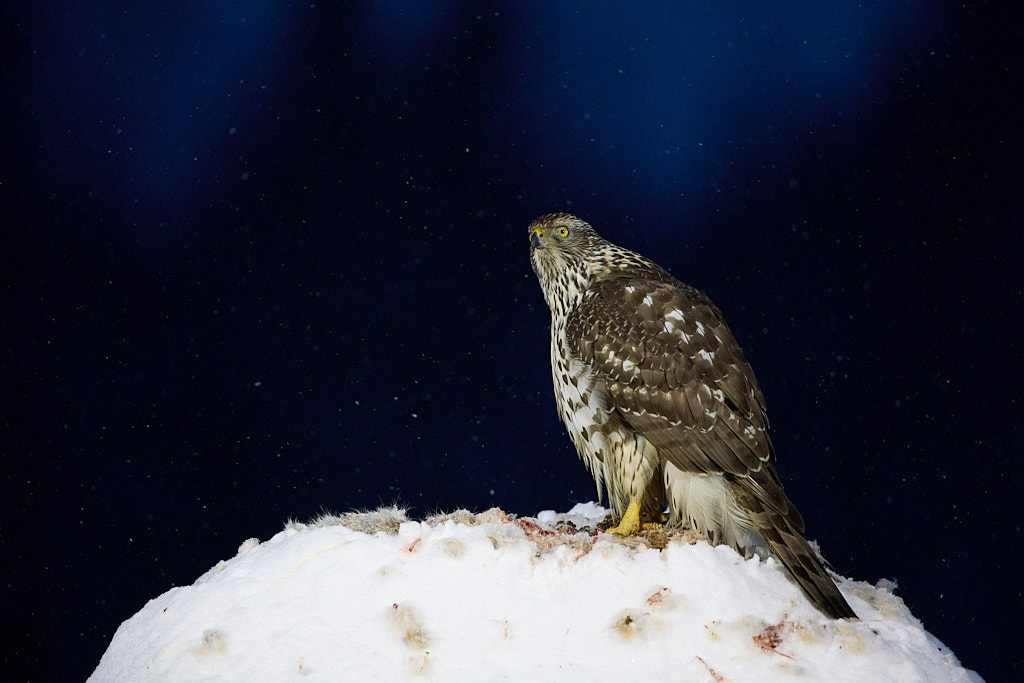
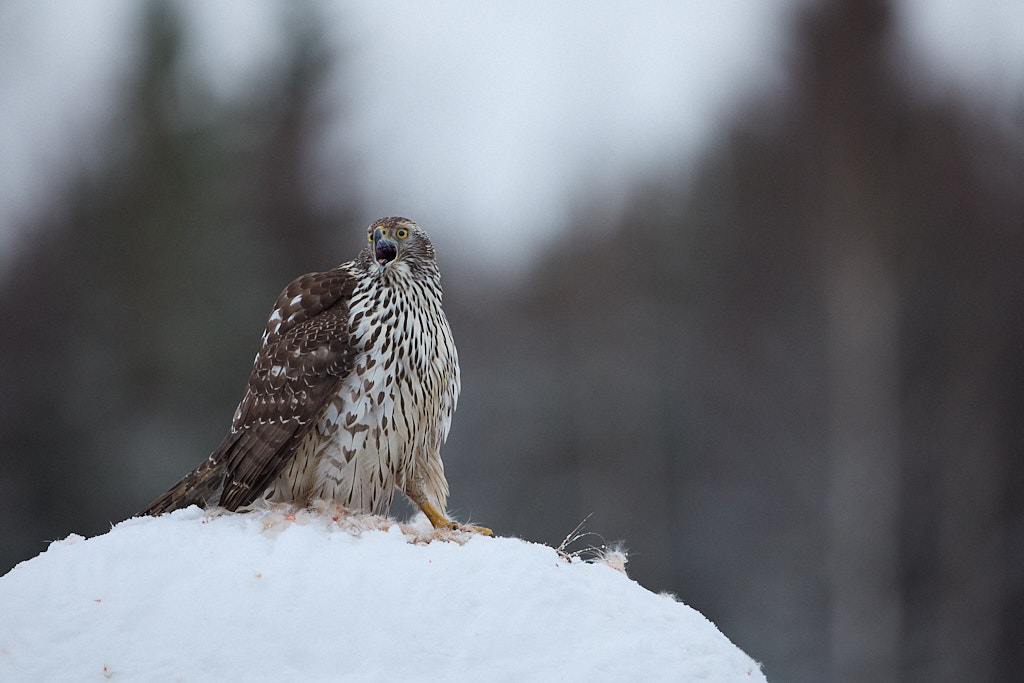
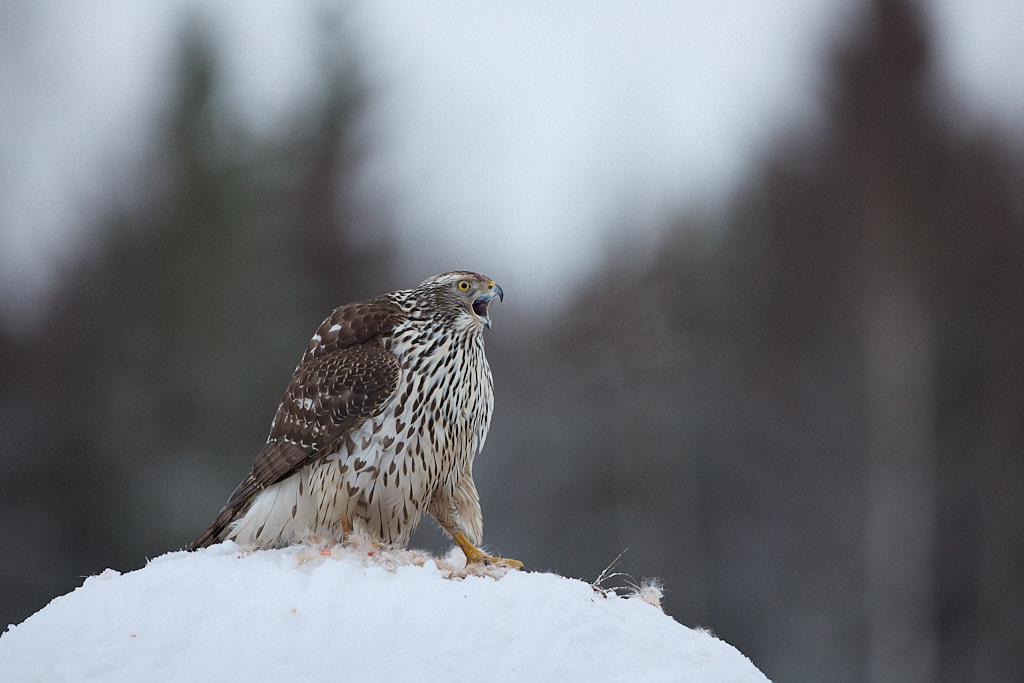
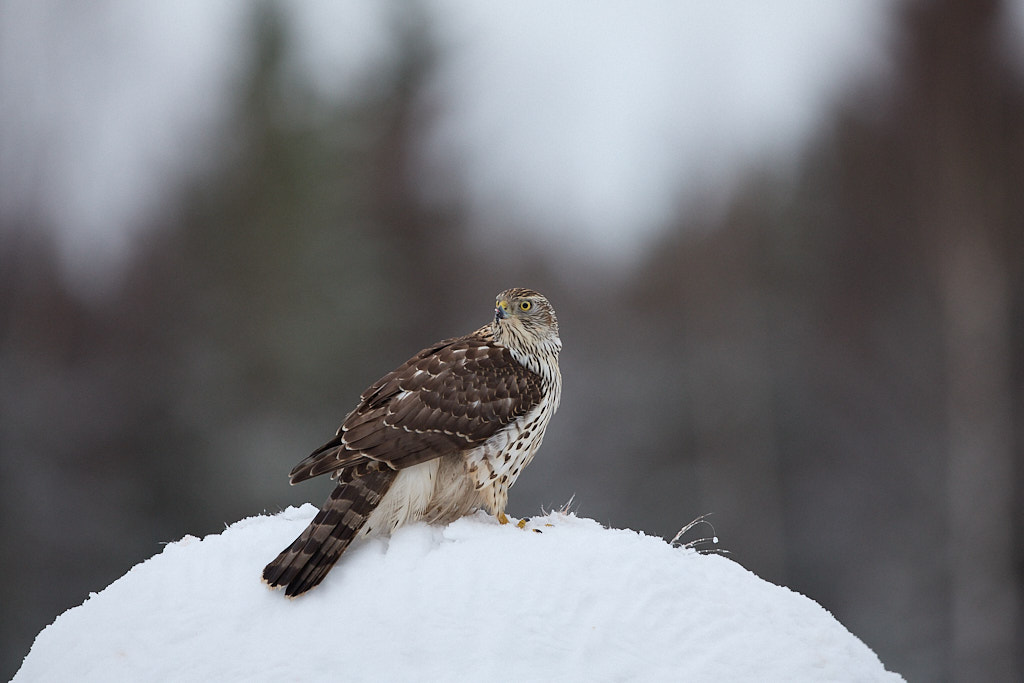
Within an hour there was a Goshawk in and feeding. The day was dull in January and overcast so you are going to need a high ISO if you want to capture any action shots. 500mm is good on a full frame for this bird but not if there is fighting or wing spread action shots involved. Also you are shooting slightly below the perch so you are looking up towards it a little. You are also crouching in the chairs a lot if you plan to use the viewfinder. This was my approach as there was no power in the hides and I did not want to deplete my two batteries in the R3 in the first day. There was no way to re charge them. I used the viewfinder for most of the first day and did not review any image really. At the end of 24 hours i had 50% battery left and over 1100 images taken. I was confident now that I could relax a little going into the second day of shooting. I would not be taking as many images again as the first day was a novelty for me. The R5 handled well also again shooting over 1000 images off a single battery. The hides are warm so the cold does not adversely affect your batteries. However it is always good to have spares when in here for a few days. I brought a battery pack with me that will charge the R5 batteries if needs be - I could not get one for the R3 but it looks like i will be ok on both fronts anyways. I am careful when it comes to image review and leaving screens on etc at the start of a shoot - quick auto power off and prefer to use the eye finder as opposed to the touch screen. This gives me the most out a battery. I also record short videos where possible and again this saves on the battery.


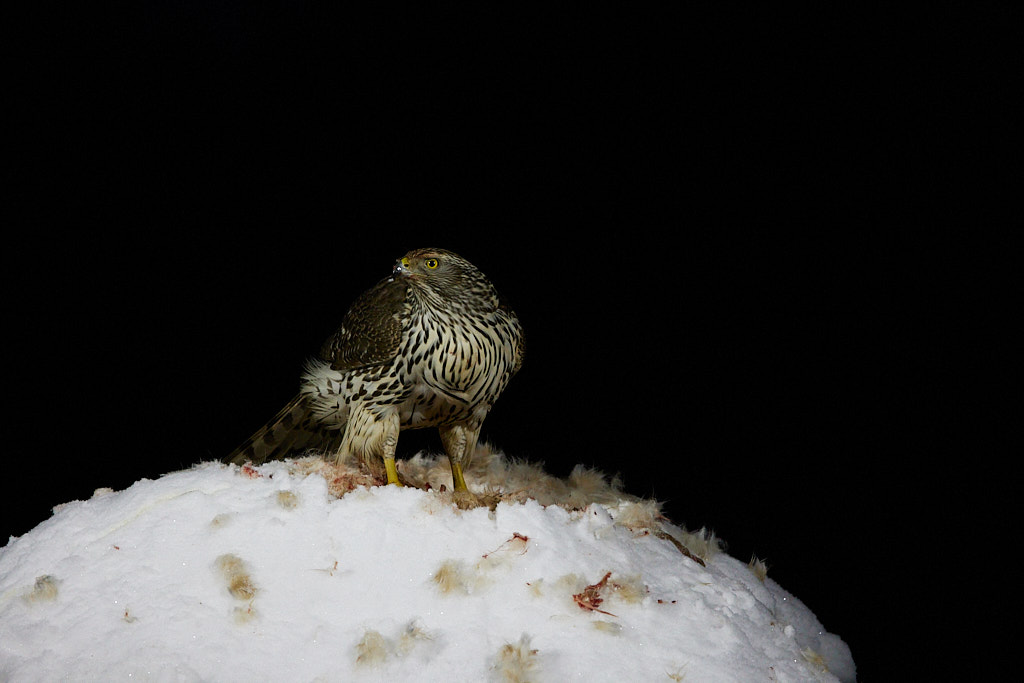
Goshawk on a perch in Finland

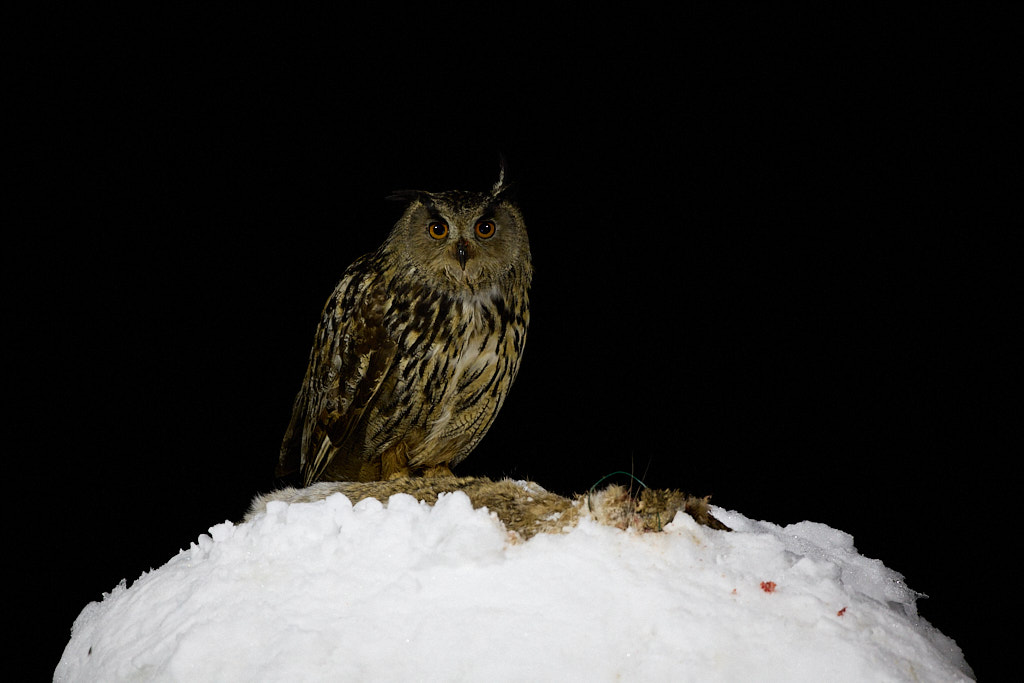
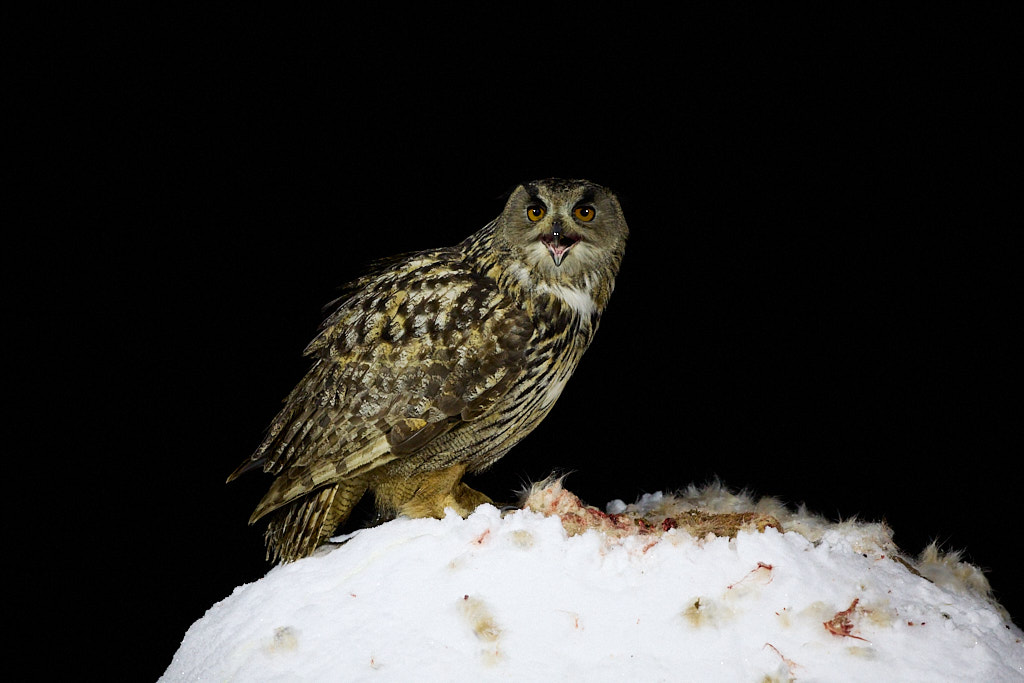
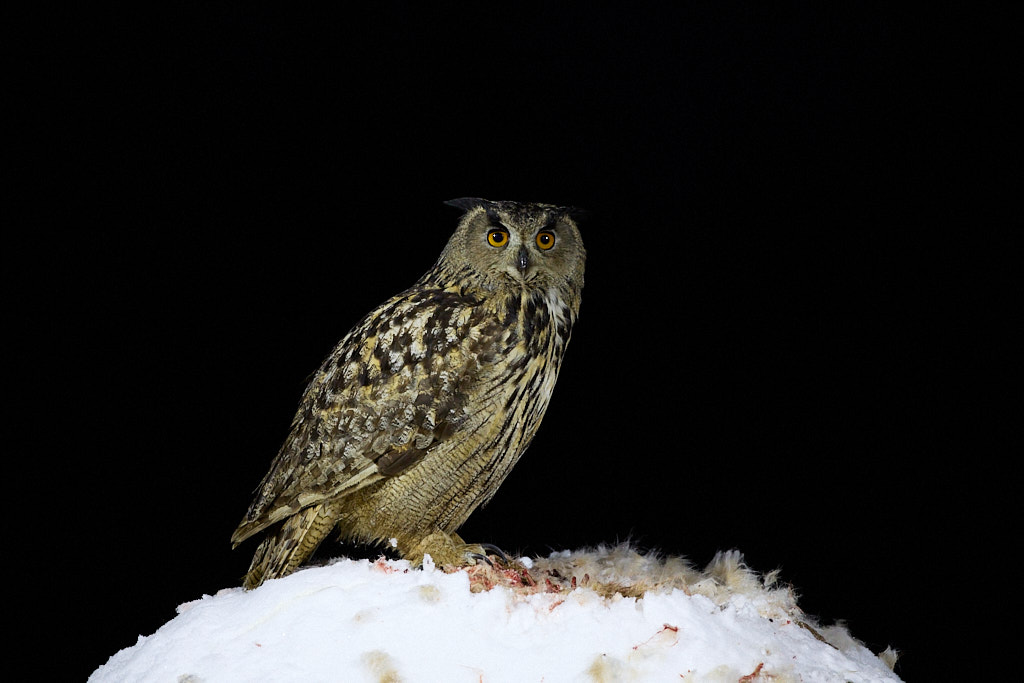
The Goshawk left before 1600 and the owl came in for an hour to feed. There was still some light in the sky behind but not a lot. Jari said to turn on the lights on the perch around 1500 and we did . We needed them . Even with those lights on - you still need a high iso if you plan to shoot the owl moving around ie shutter speeds of 1/320+ will see you shutting 8000 iso or higher. I was shooting on the 100-500mm here for my aperture was 7.1 at 500m. Once you get some keeper images you can of course experiment and drop the iso and shutter speed yourself to try get cleaner sharper images. Once the owl left it turned out to be a long quiet night after that. There is a buzzer in the hides that alerts you when there is something on the perch - however the buzzer is low and you need to be a light sleeper in order to hear it. I don’t know if i heard it at 0400 or not - i woke up and the owl was there and i got 30 minutes of shots before it headed away. It was a quiet night according to Jari but i was still happy as i had two visits from the owl and the Goshawk was in also so for me it was win win. I went back to bed and got some sleep .


DAY TWO

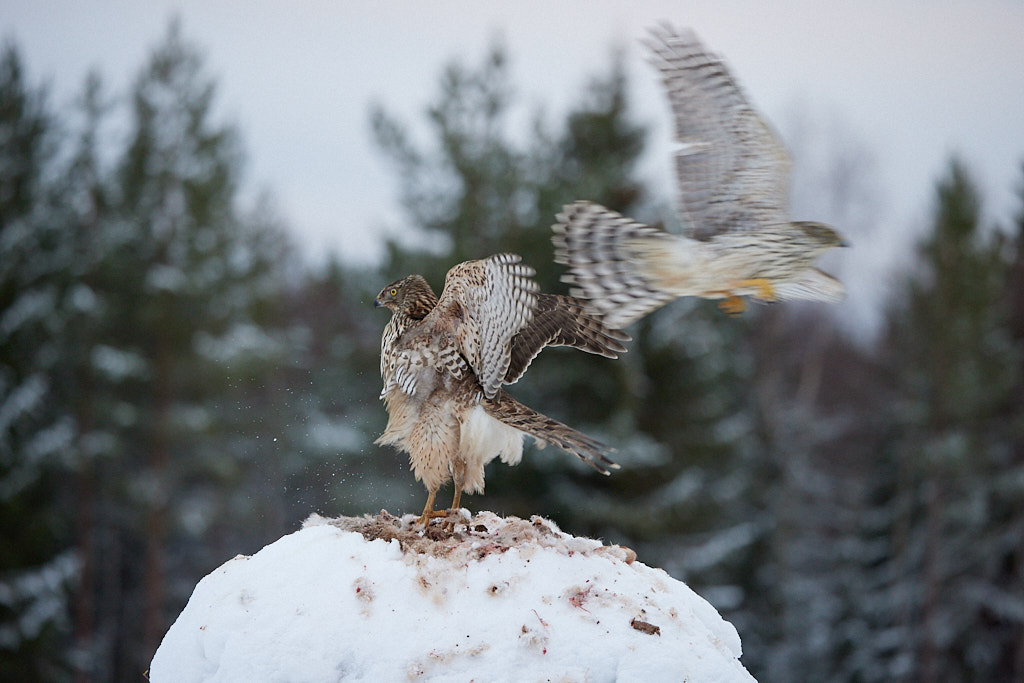
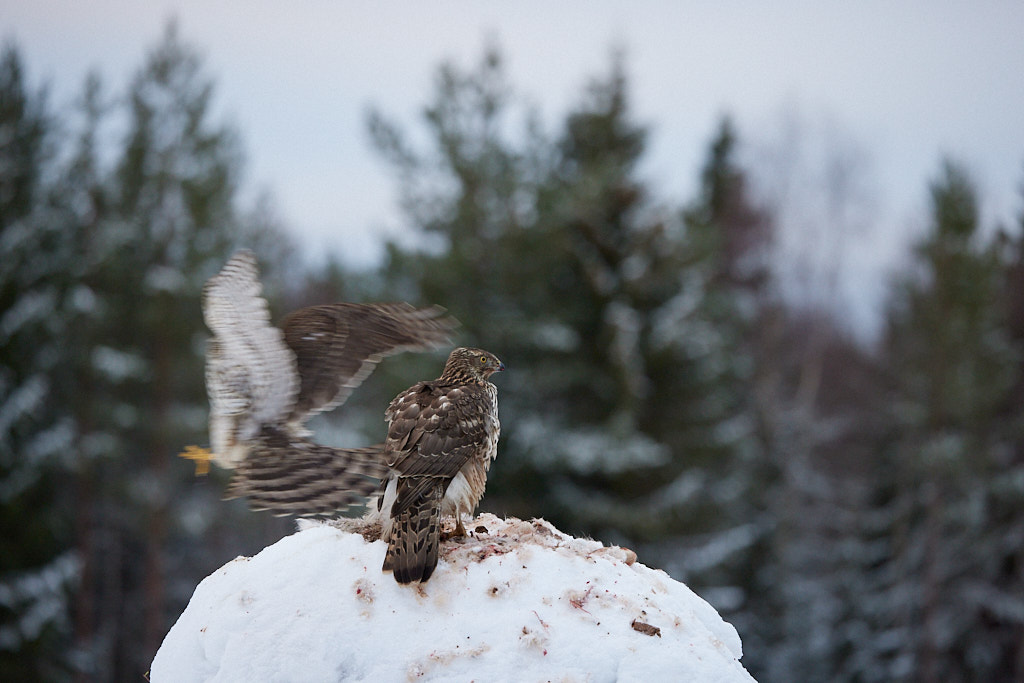
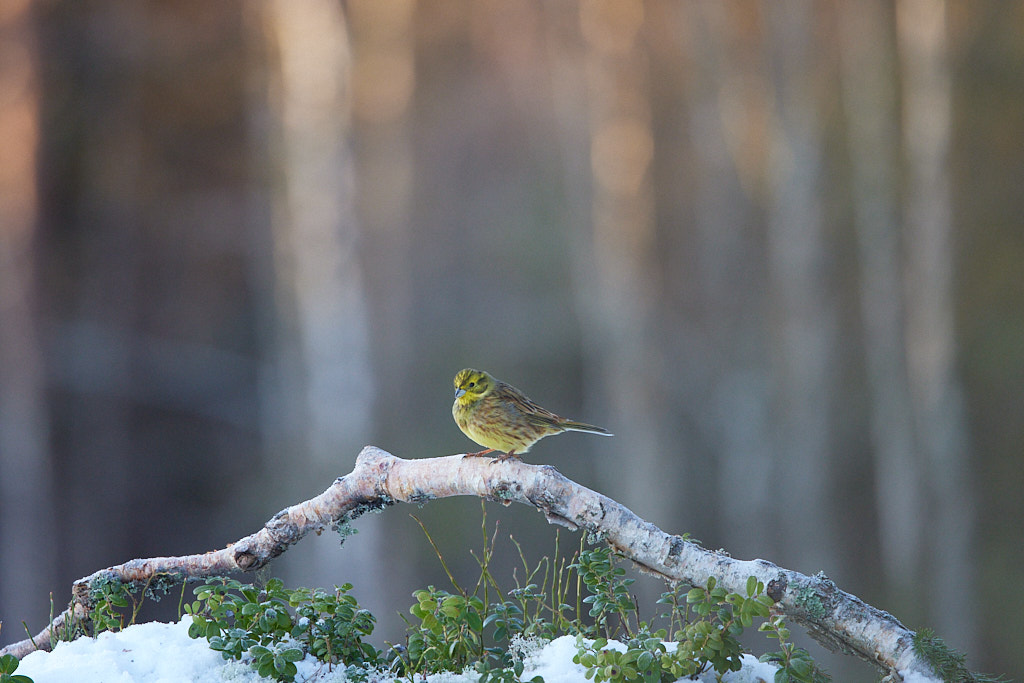
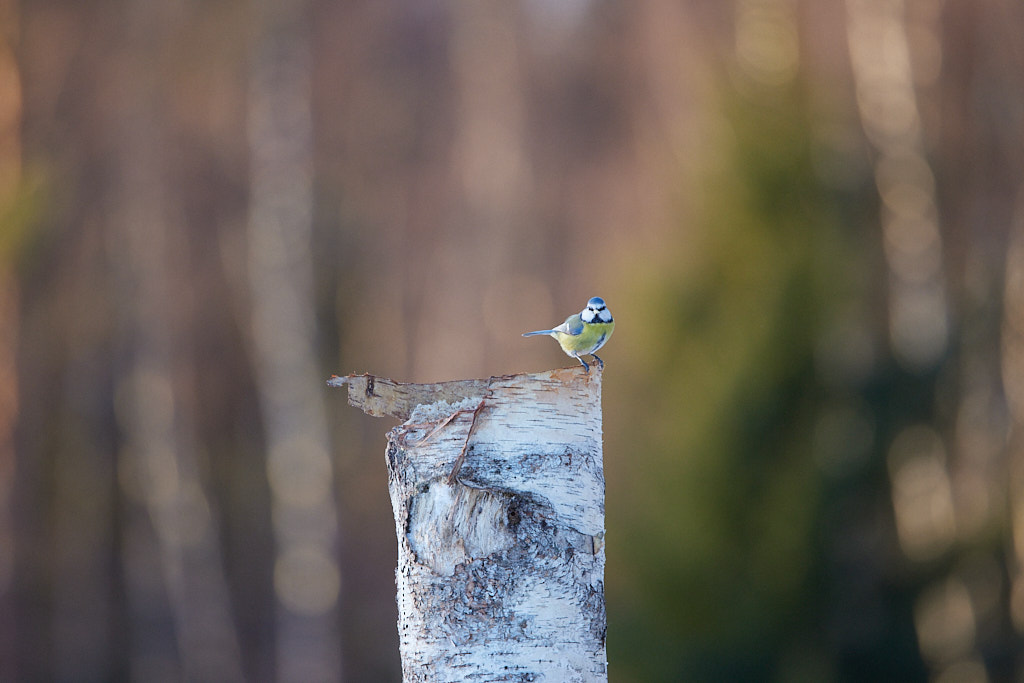
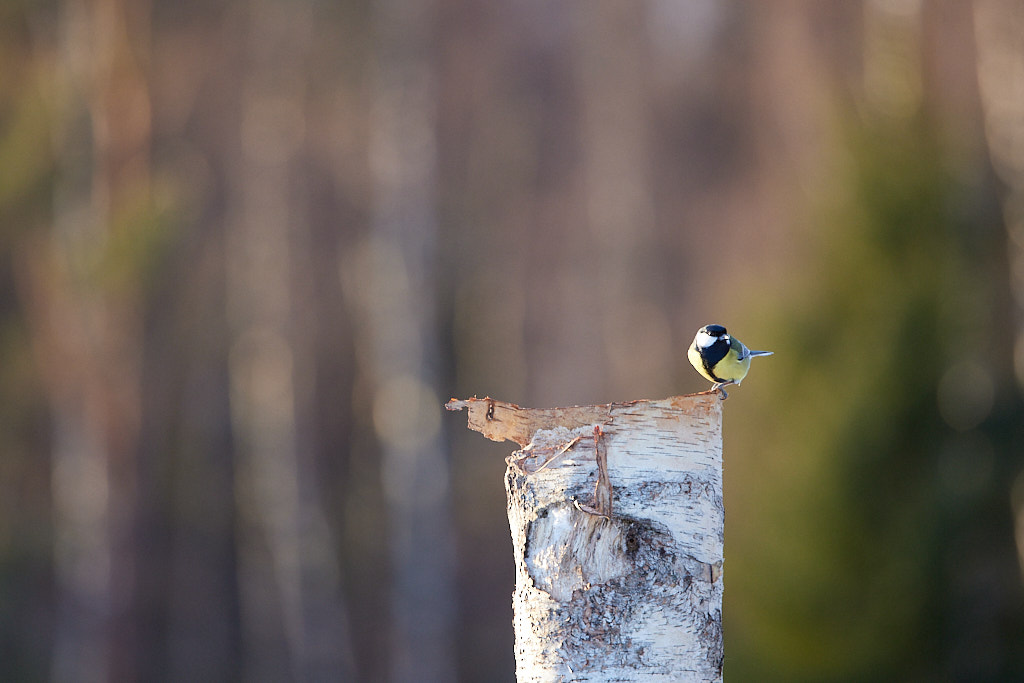
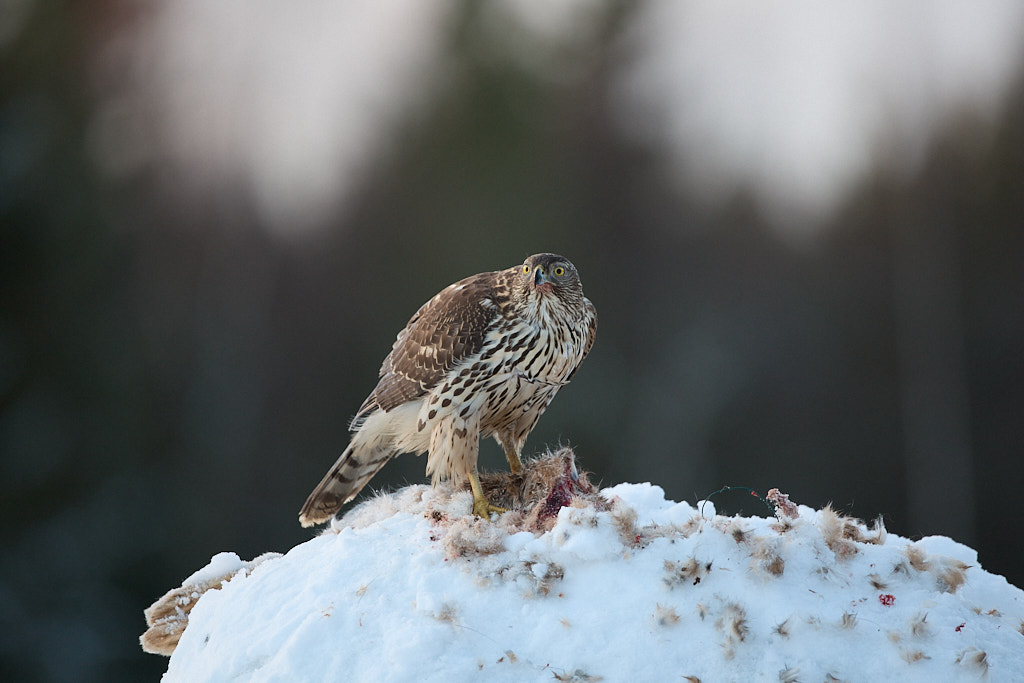
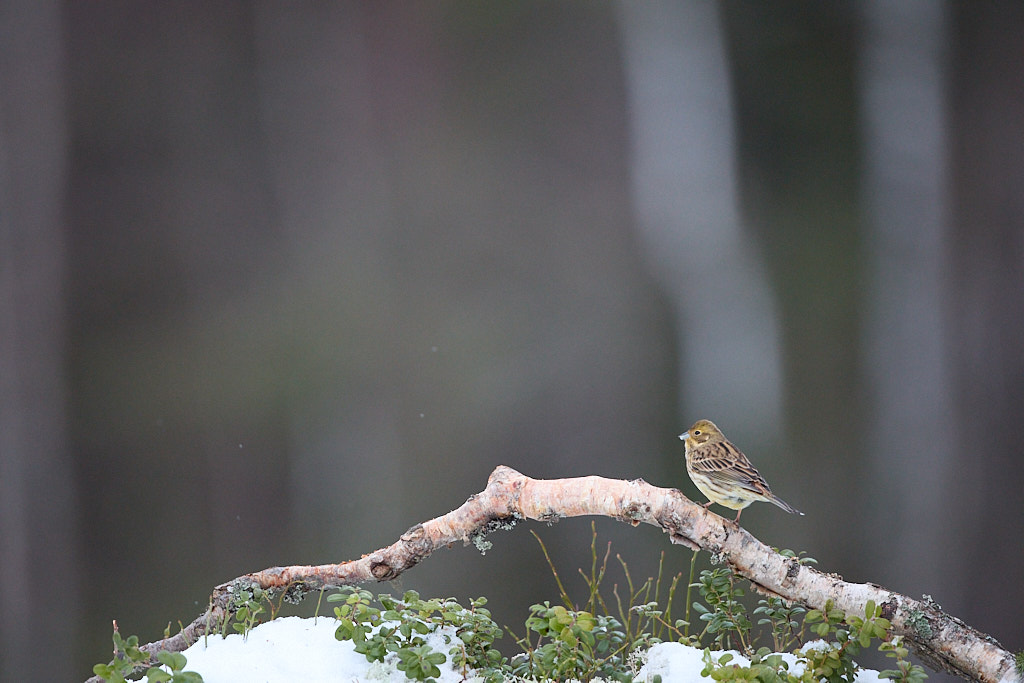
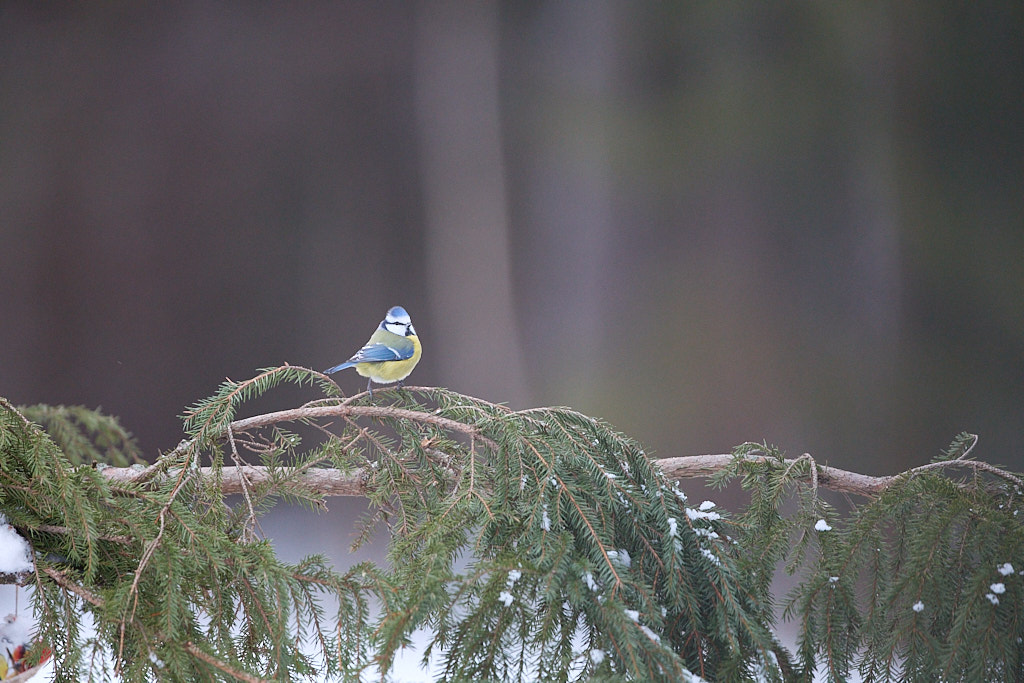
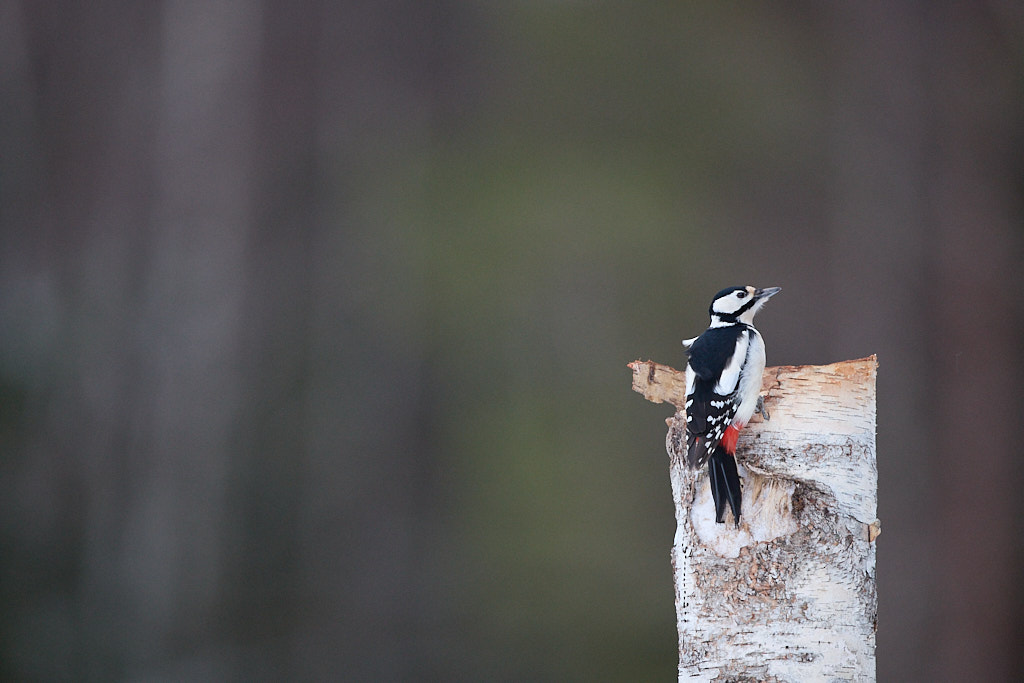
The following morning I got up around 0830 as it was still dawn outside and the light was only starting to arrive. I checked my cameras from last night and got a cup of coffee and sat down to wait. I did not have to wait long. 0900 and the Goshawk was back in and feeding. It transpired that she stayed for over 4 hours - with several mobs from other Goshawks trying to get her off the perch and the food so they could feed. A very loud and interesting morning . The small birds were at the feeders - blue tit, great tit, yellowhammers , finches , Jays, woodpeckers and there was even a squirrel in front of the hide I was in. I did see a willow tit also but did not get any good images of it unfortunately. I left the hide at 1500 and headed into town when the maintenance man was there cleaning up and putting out some new bait for the night. It was a dead hare. Most of the bait is roadkill from what i understand. I got into town - got a hot meal and some food at the supermarket and then headed back to the hides again. I forgot to take in my flask to get hot water for coffee and tea but i was ok. I got back to the hides and resettled by 1630. It was dark now and i turned on the lights on the perch. There was no action again till 0100. The owl was in but only stayed about 15 minutes. I got dressed and settled down to take some images and got a few before it flew off. I waited around but no return. The owl was back again at 04:00 but only stayed for 15 minutes or so. I went back to bed and the owl came back in around 0430. I stayed in the sleeping bag this time and got some shots before it flew off at 0445. Maybe i was spoilt the day before with the long visits - maybe this was more like the bird and how it behaves. I didn't see the owl again for the rest of the trip. I got up at 0900 and the goshawk was waiting on the crossbeam over the perch. I turned off the perch lights around 0930 and got some shots and then got some breakfast. The light was to be nice this morning with some sun but cold today. Temperatures set to drop to -8 or -9 by the end of the day. Hawk stayed around till noon- then it knocked the hare off the perch before flying away. Two more hawks came in looking for food and only found scraps. I finished up around 1400 and loaded up the car and headed away - on to my next adventure - The Golden Eagles! .


Eagle owl on perch in Finalnd in early January


Goshawk in early morning light


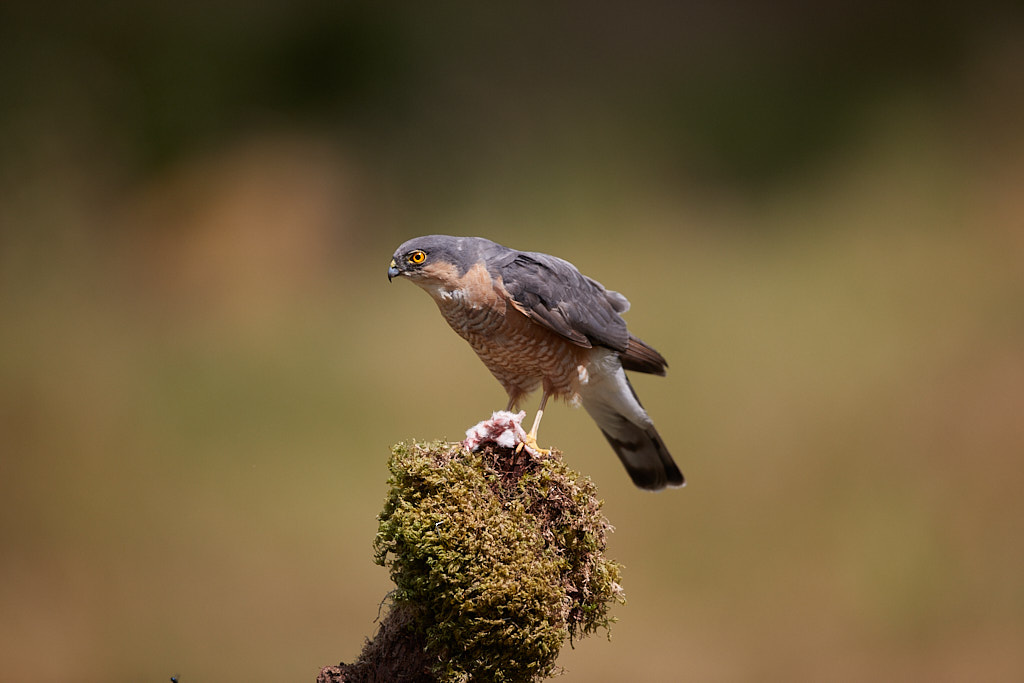
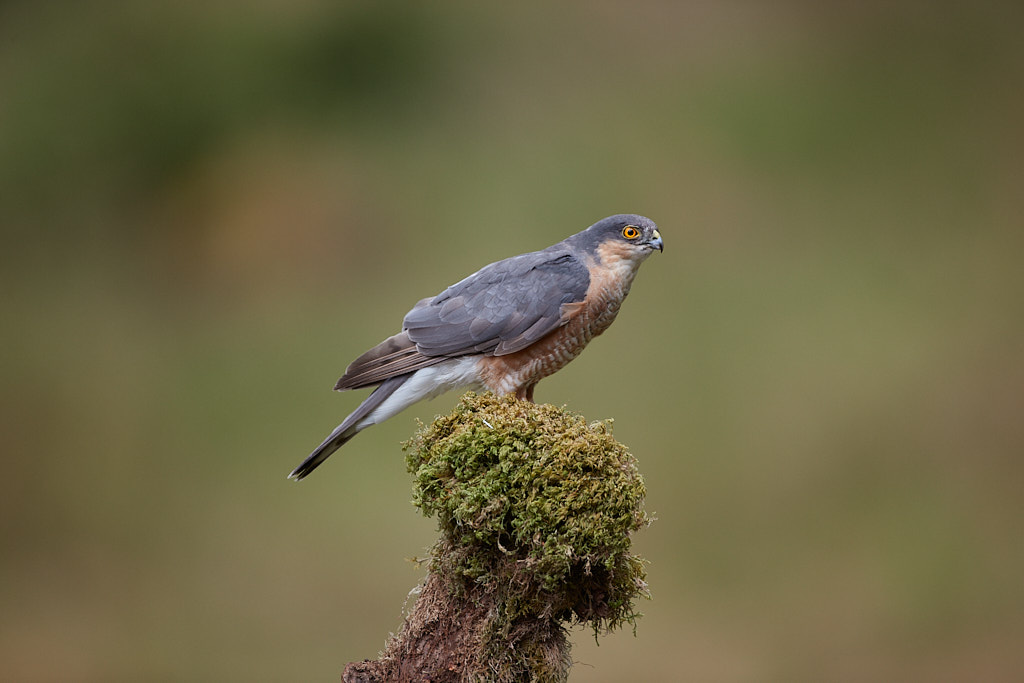
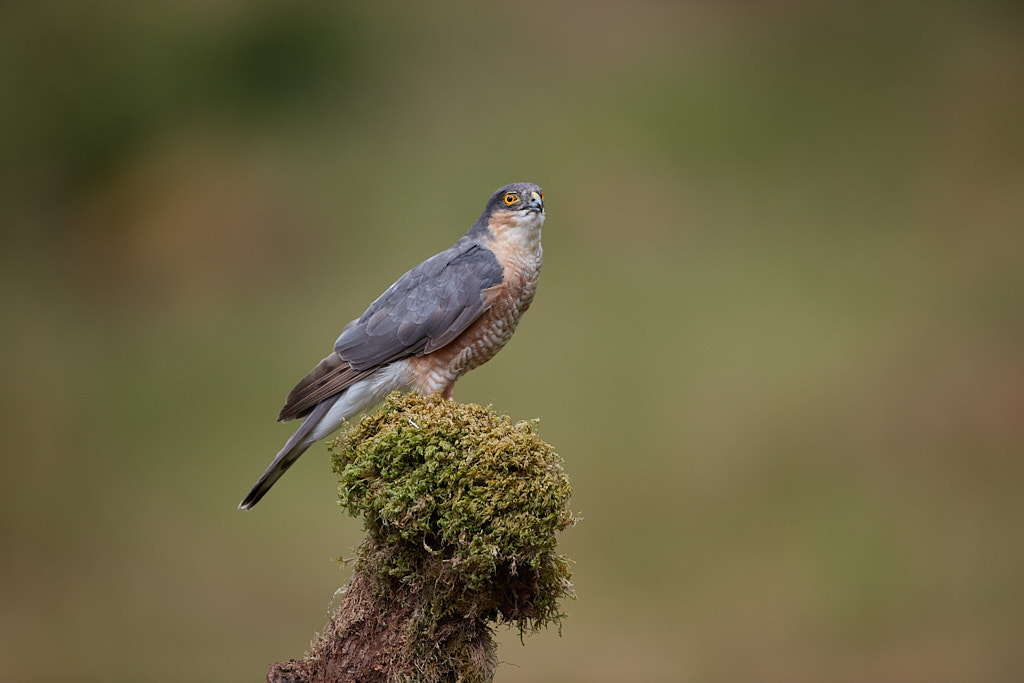
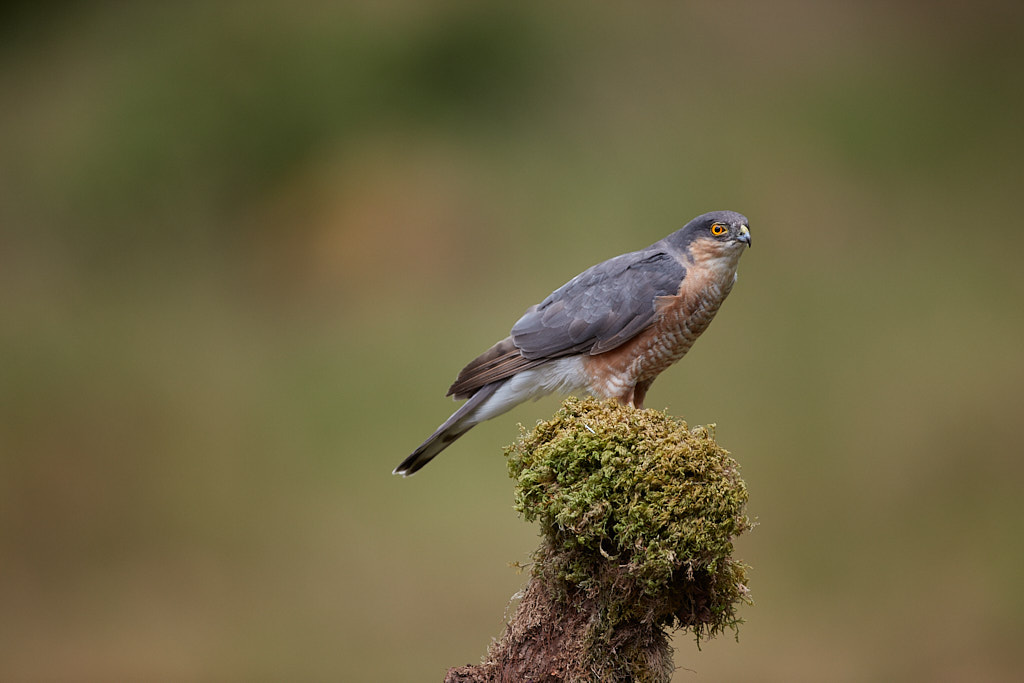
Scottish Hides – 4 Day Trip

Scottish

Hides - 4 DAY TRIP

In August 2021, myself and a few friends headed over to Scotland to spend a few days in the wildlife photogrpahy hides with Alan in Kirkcudbright. The travel time is around 8 hours heading from Limeick to Kirkcudbright. It takes around 4.5 hours to get to the ferry port in Belfast and sail with StenaLine over to CairnRyan and then around 90 minutes to get to Kirkcudbright. The crossing is just over 2 hours if memory serves.

We spent three full days in the differnet hides and they were all long days but fully enjoyable. It was the first time for some of the team to see and use these others - other had been there before. The setup is second to none - Alan puts a lot of time and effort into running this setup and you can see his attention to detail in everything he does here. At the time of this trip COVID was still on everybodies mind and this was especially hard on Alan when people could not travel and he needed to keep feeding the animals. You could see he still had a very active setup going around the area once you stepped into the hides.

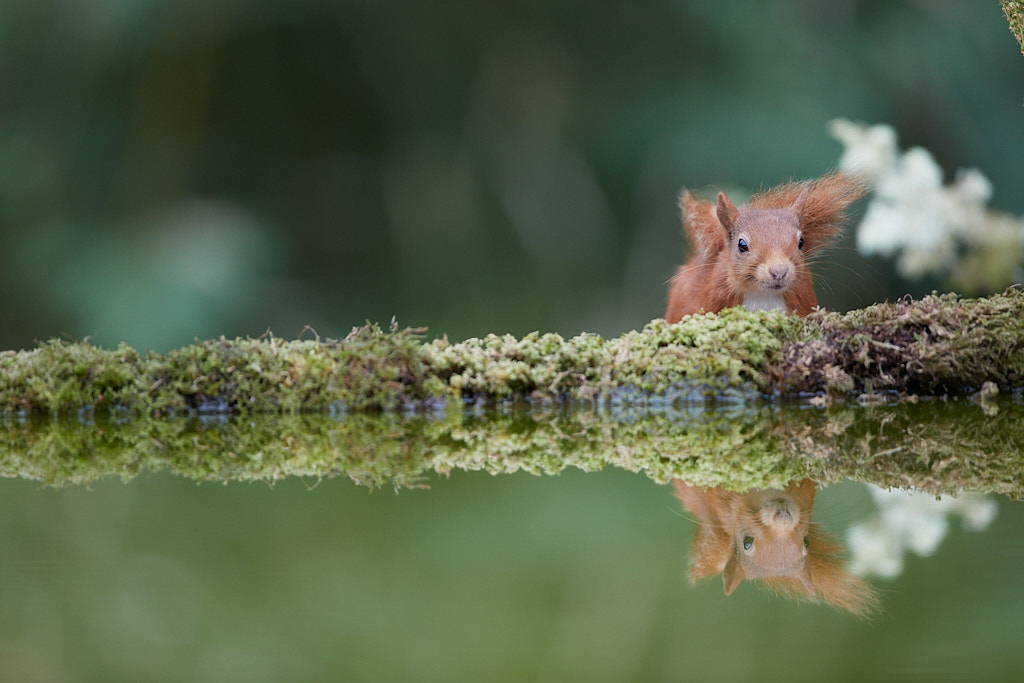
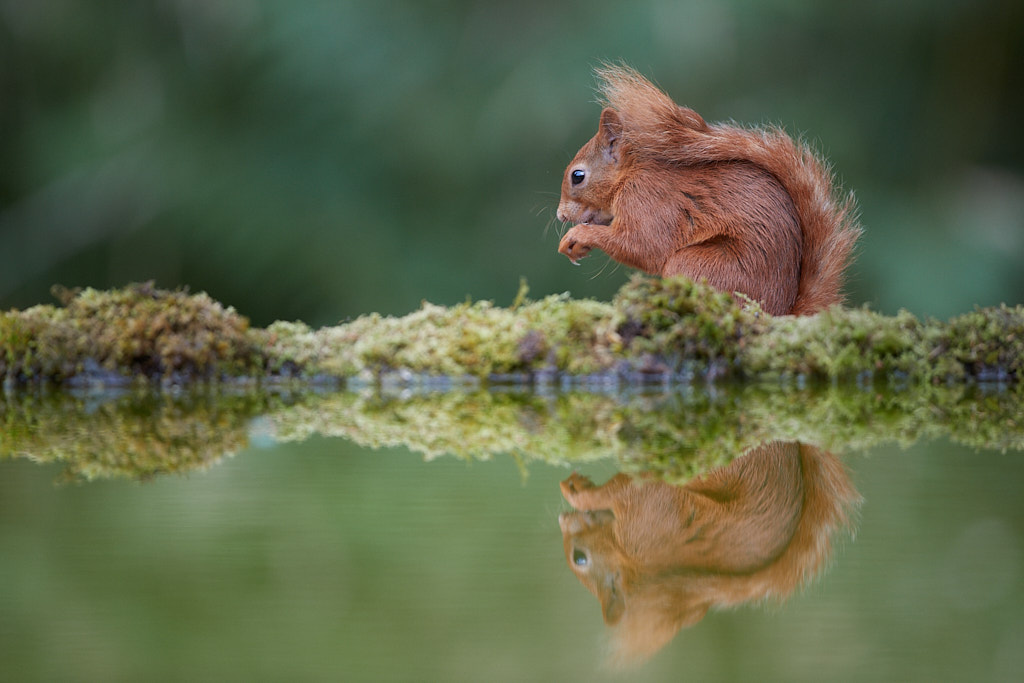
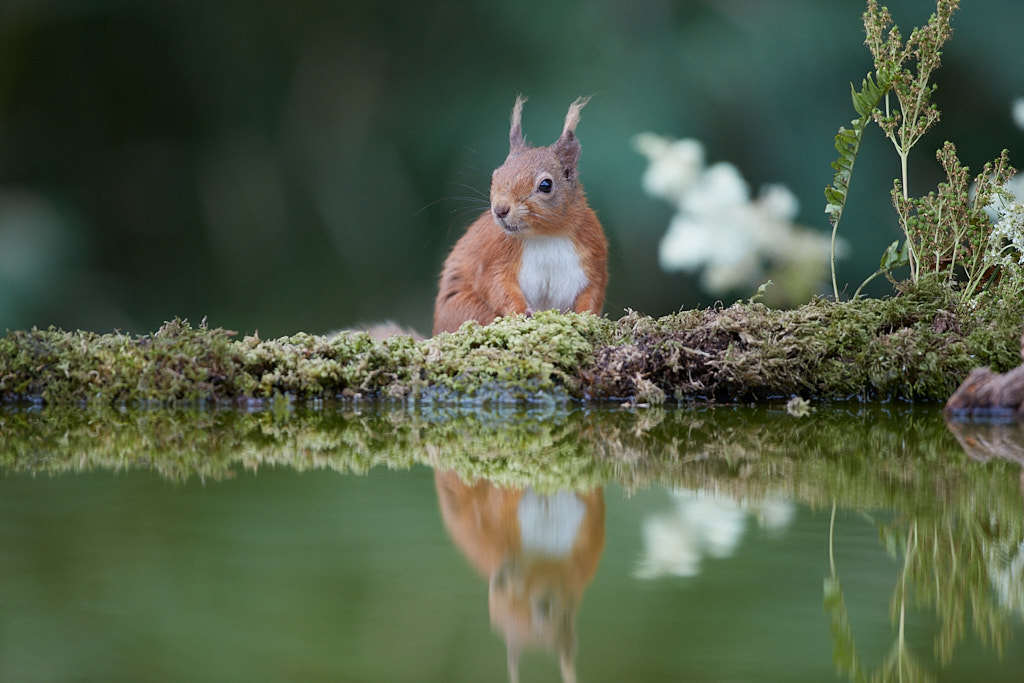
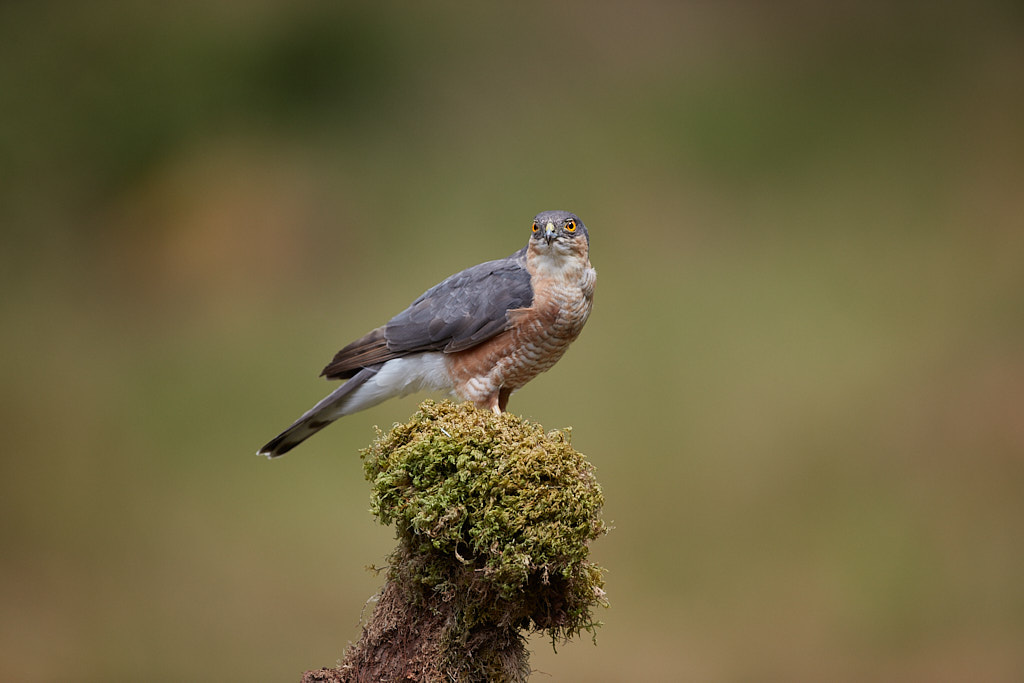
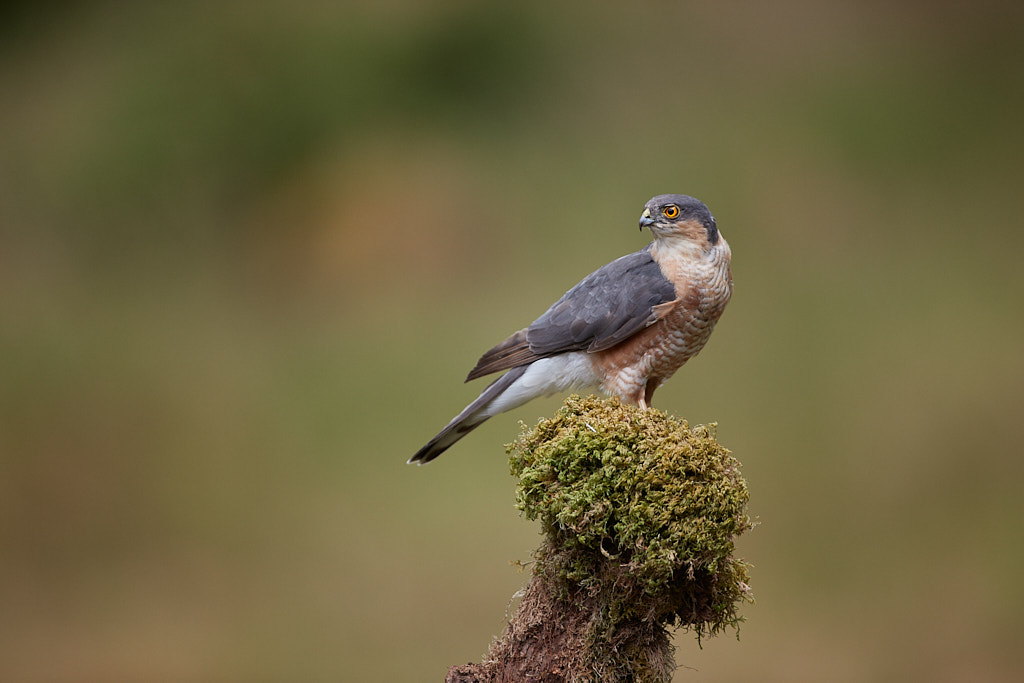
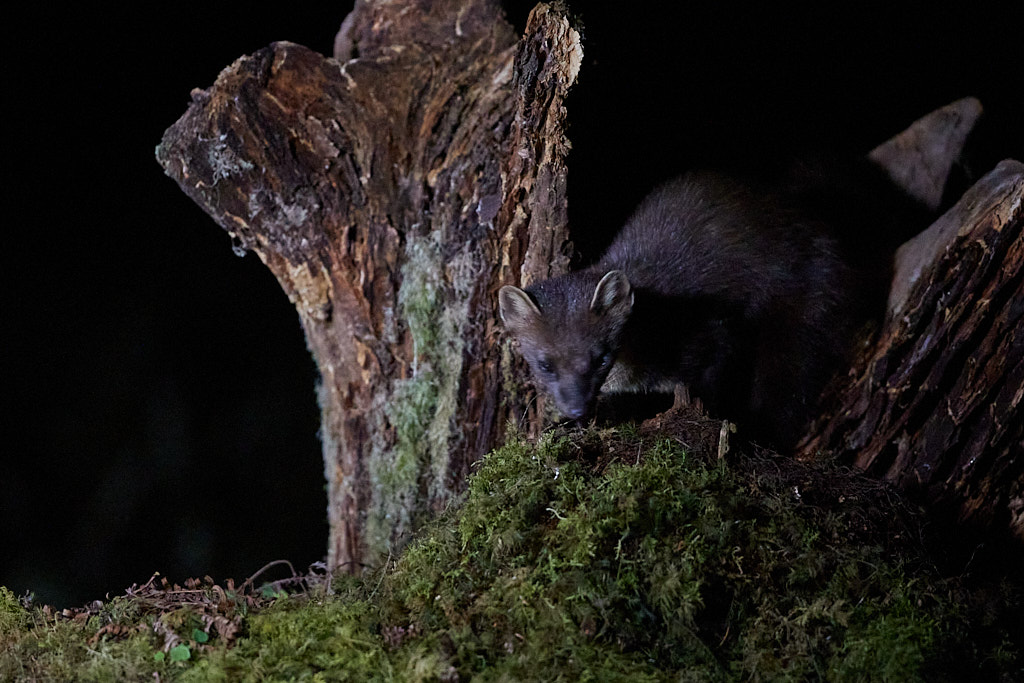
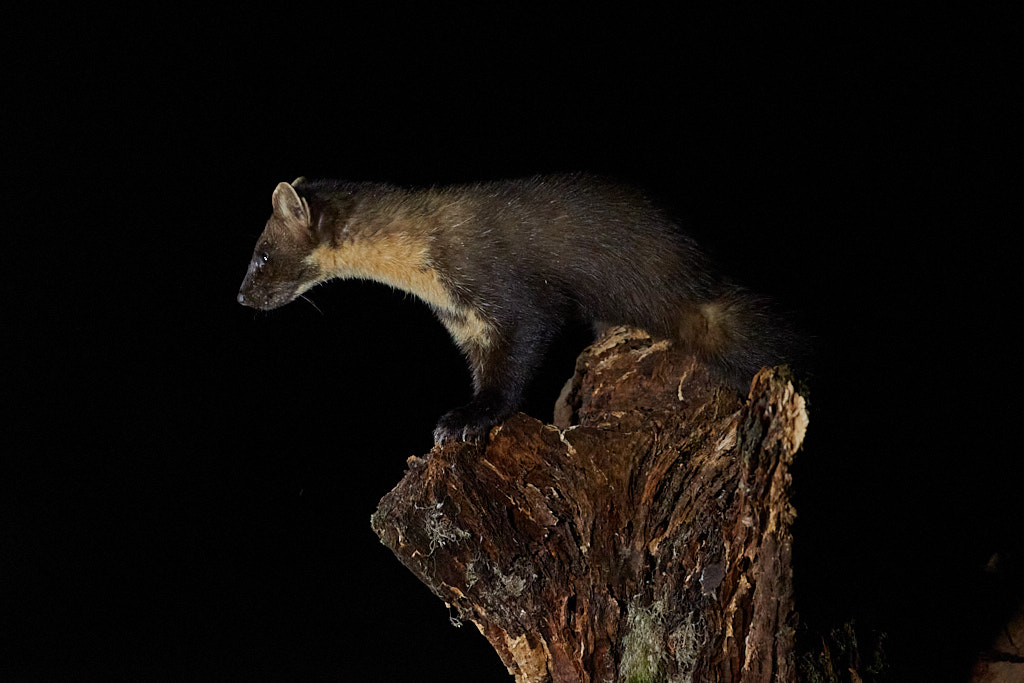
The first day we went to the reflection pool for the squirrel as well as the Sparrowhawk hide - the Kingfishers were not active at the time we were there. We were 5 people so we had  to split up to fit everyone in the different hides. Alan thought one of the pair was killed and was looking to see if he could find out more. That evening we headed out to the Pine Marten hide. This was a good hours drive away - late in the evening - and a late quite one in the woods. I tihnk we got home around 01:30 that morning after a no show from  the Pine Marten.
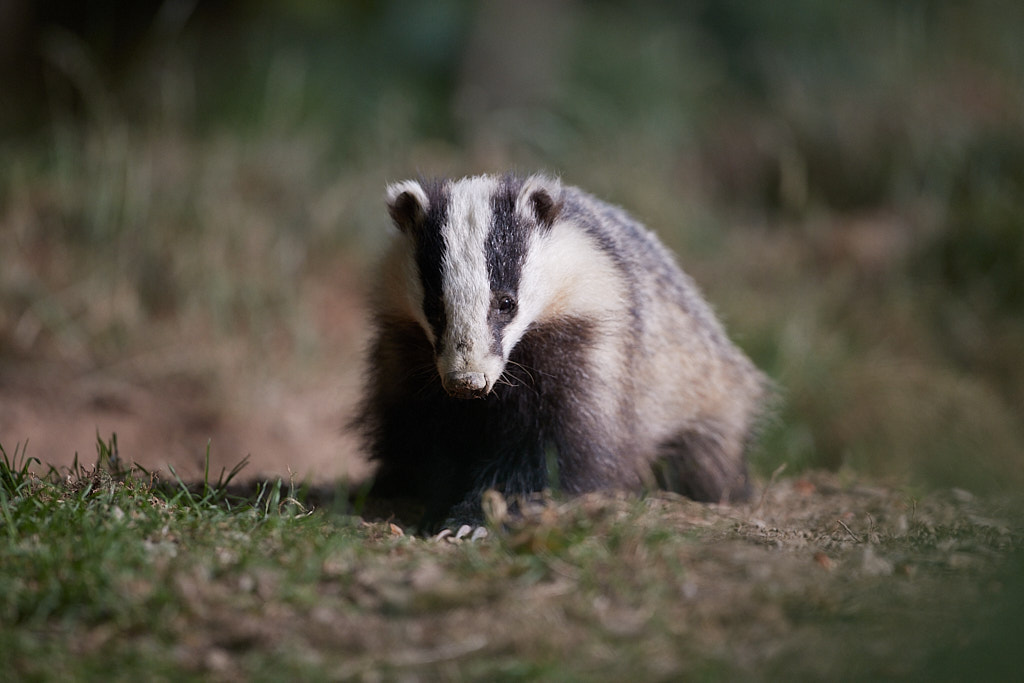
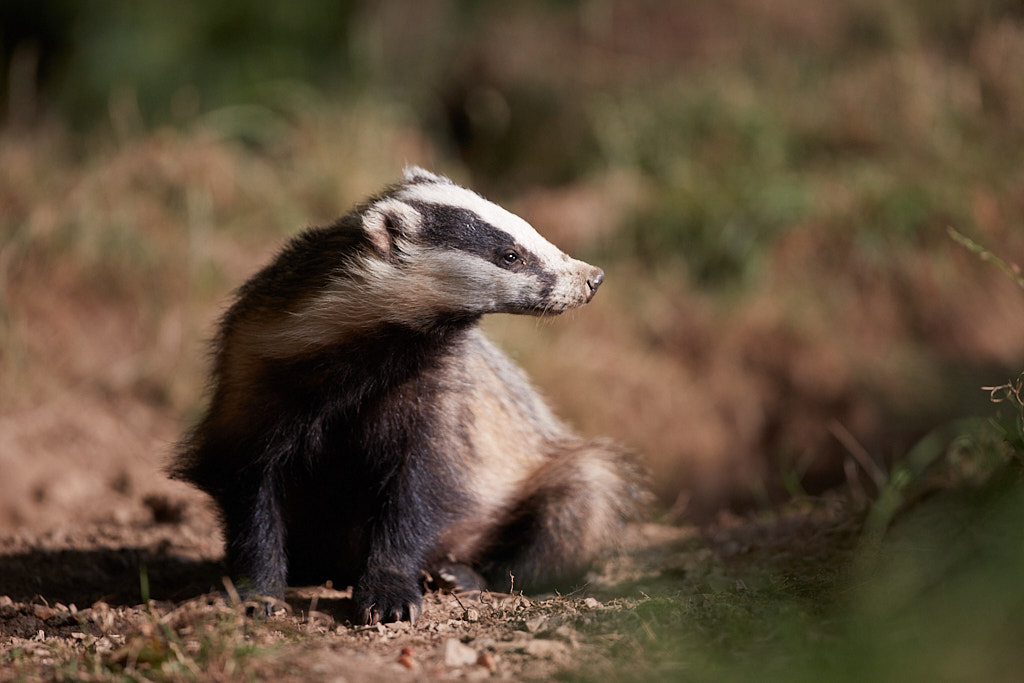
The second day we switched around and did the opposite hides to the day before and in the evening we went to get some shots of the Badgers. Then that night it was off to the Pine Marten again and some went back to the reflection pool for the squirrel - but this time it was for badger and tawny owls.

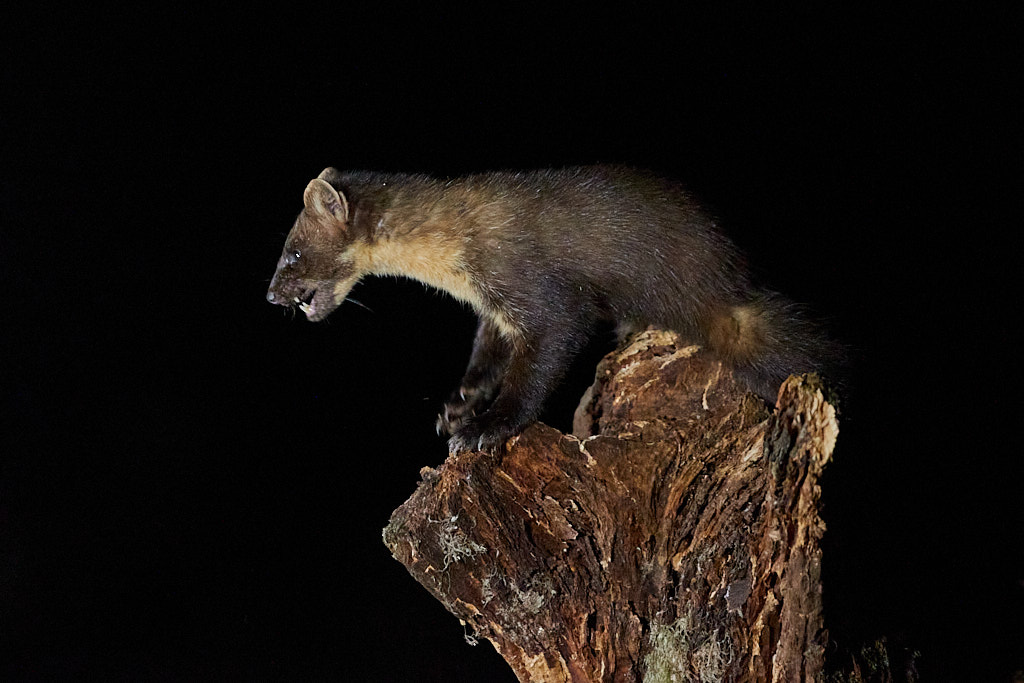
Third day we tried for a new kingfisher spot in the afternoon and some sparrowhawk in the morning and then Pine Marten in the evening . This time the Pine Marten did show but he was very fast and just appearing and disappeared very quickly. Nice to see under the lights but he did not hang around once he found the food.

All in all a great trip - always something new to shoot when visiting Alan and always good to catch up with him . Be sure to check out the gallery for the rest of the images.